A Ritchey Breakaway for me! Accompanied me on a last trip for work to Seoul. Really enjoying the latest upgrades to 1x with eTap, makes packing a breeze. Using a Ritchey Breakaway case that’s on its last limbs.

2 Likes
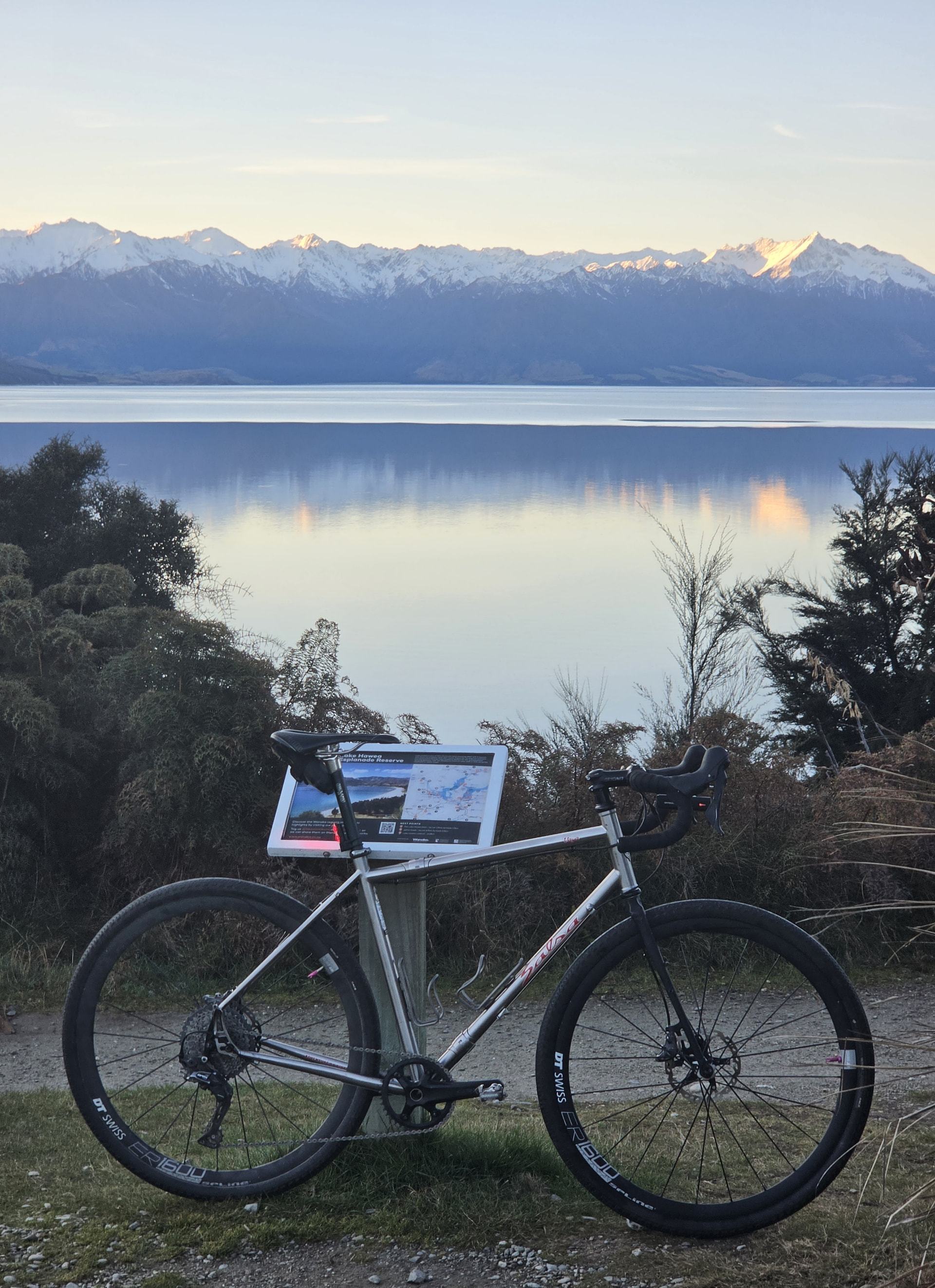
Salsa Vaya travel (stainless) with a custom-built steel fork. Not the lightest or sportiest-looking bike but certainly comfortable and robust.
1 Like
I’ve thought about getting a coupled frameset, but having to use and somehow store a hard case puts me off; most of the trips I’d be inclined to do would be point to point, so disposable cardboard has advantages.
A rinko bag might be a viable option for trains and buses, but my experiences with airlines have been that if damage can be done, it will be.
Also, are the Z couplers still available after PMW’s demise, and what sort of seatposts have people used successfully with the Ritchey system - does it need to be something heavy duty - and thus inflexible???
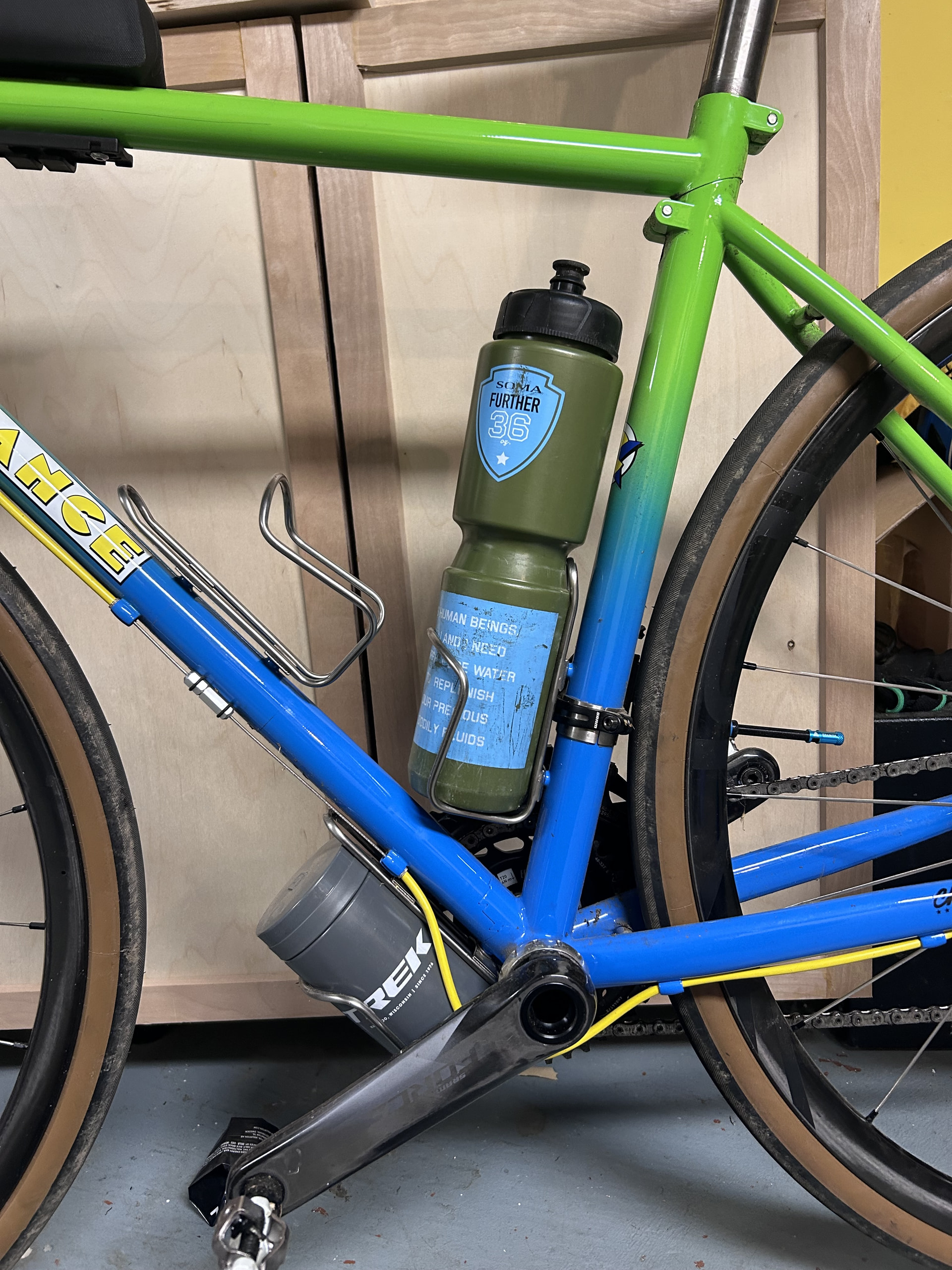
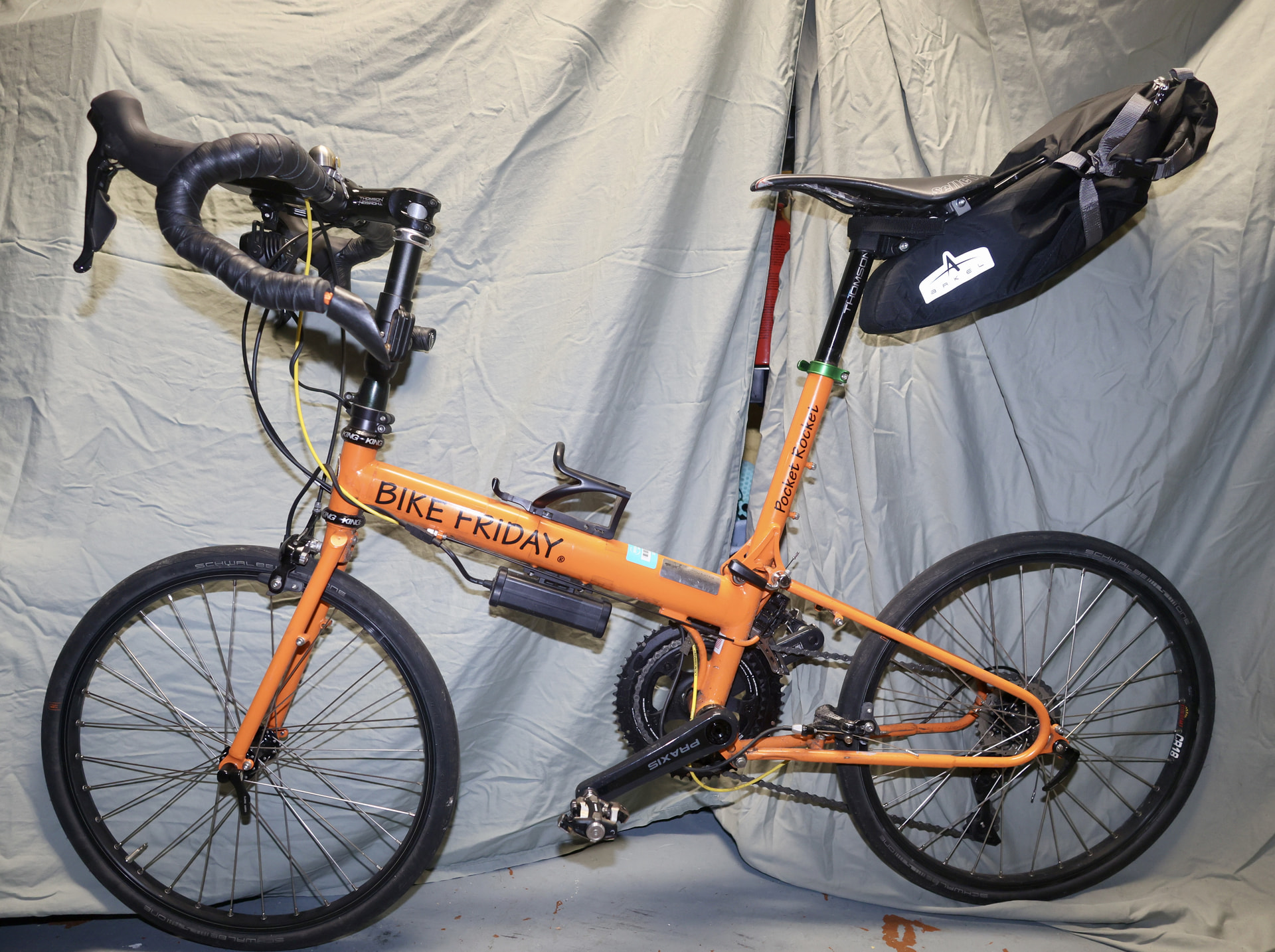
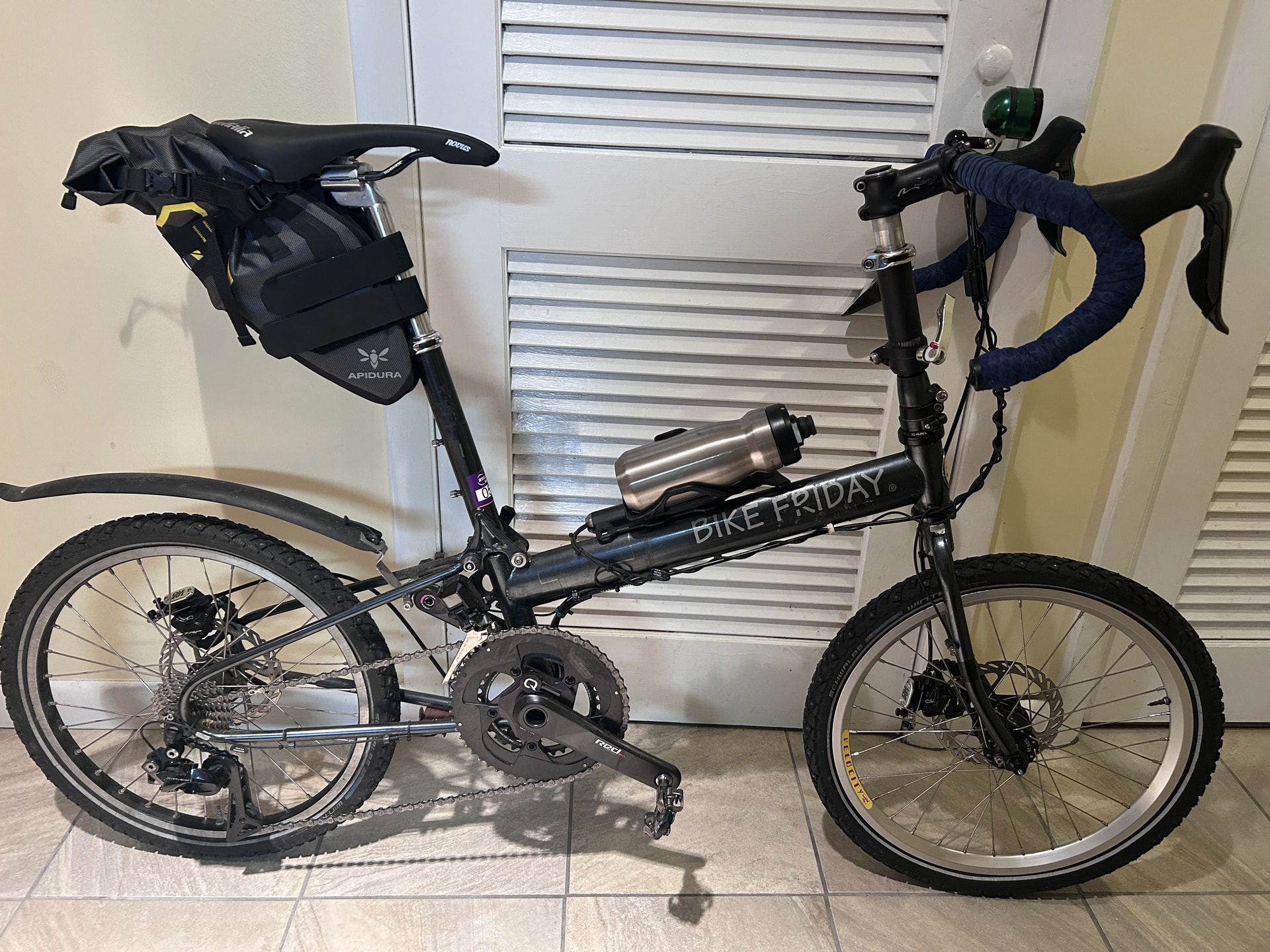
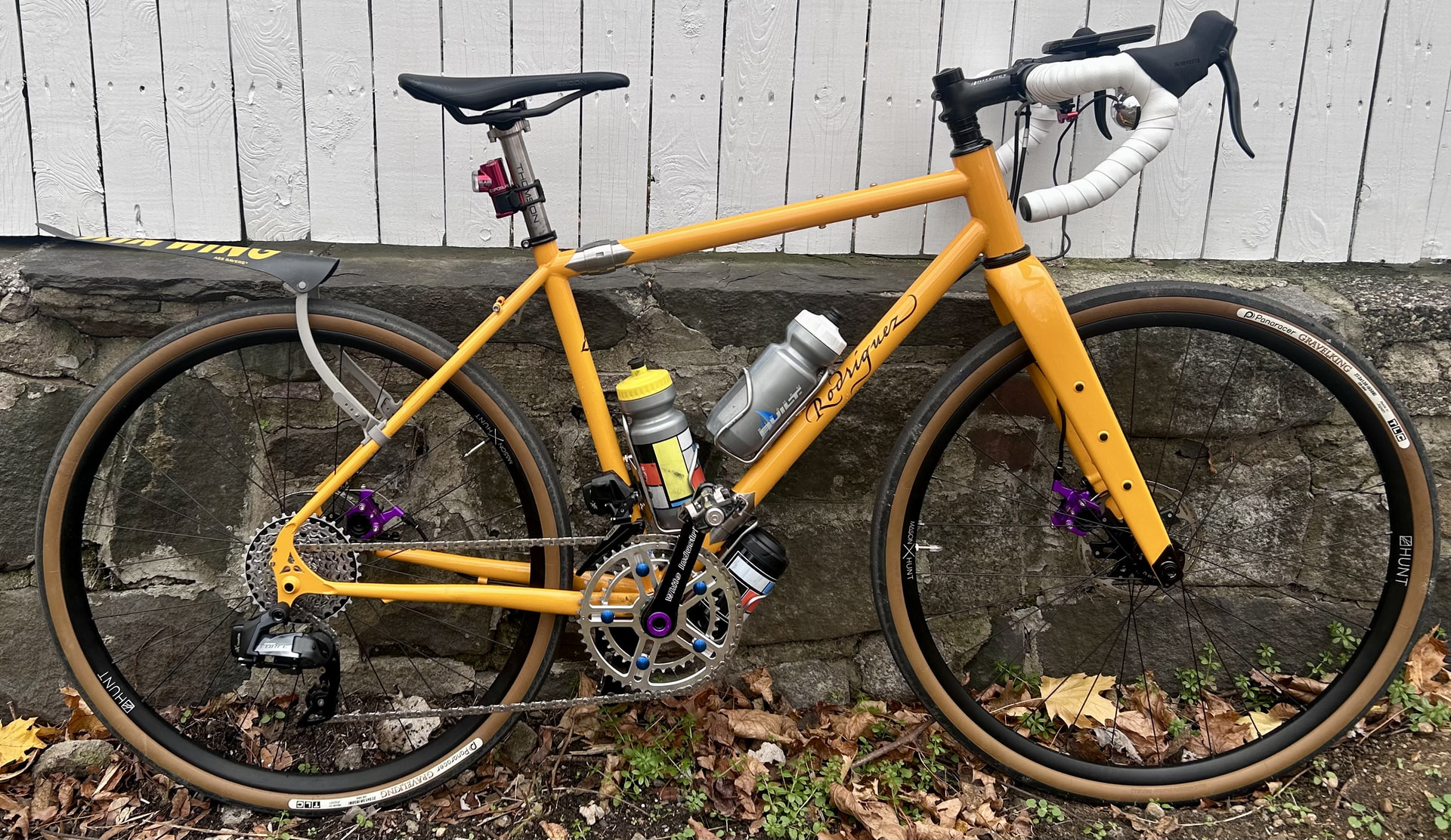
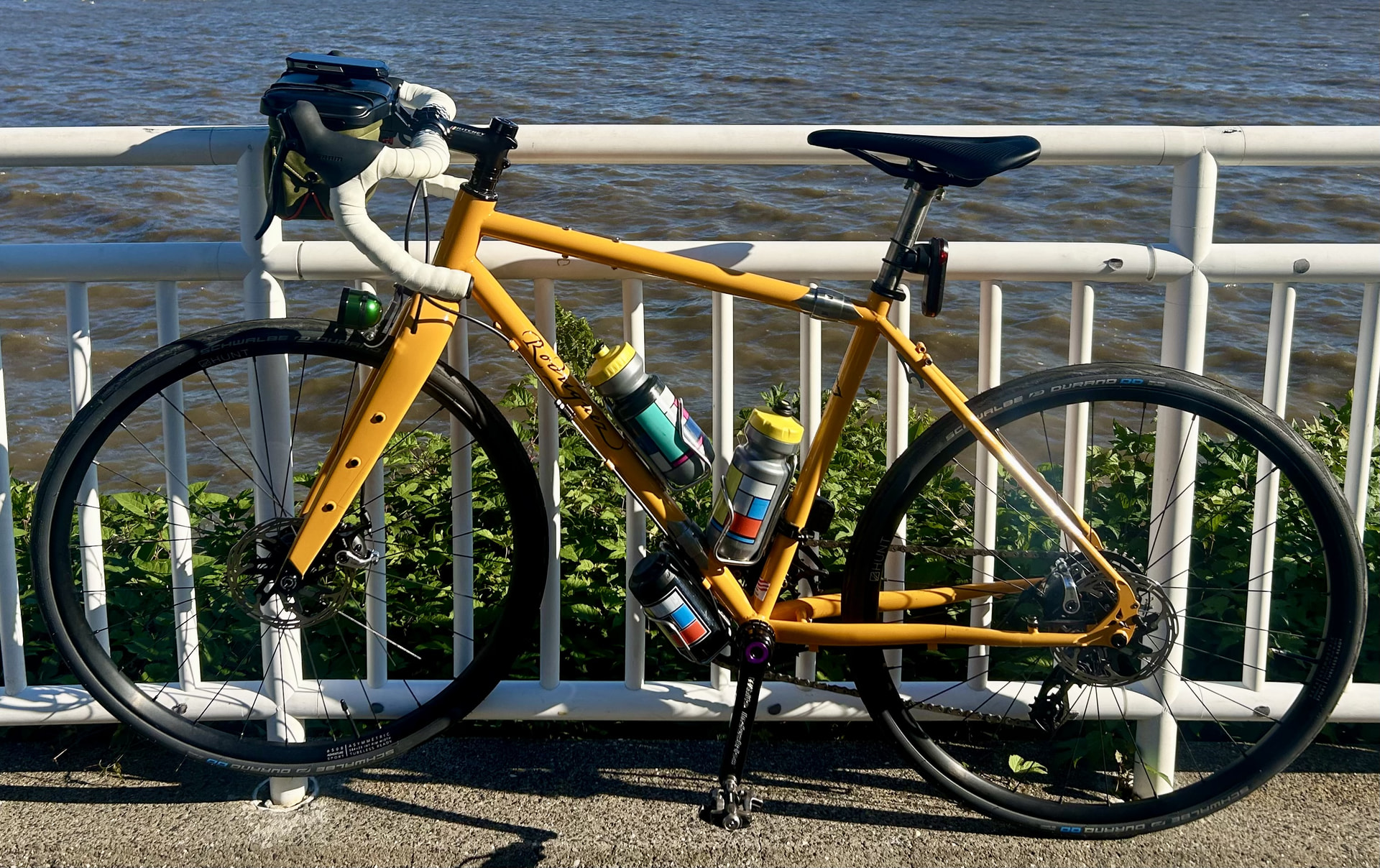
Great thread! I think this should be all my travel bikes. There are two Bike Friday folders with nominally 20” wheels, which I really mostly use for commuting. The orange one has rim brakes and size 451 wheels the dark green one has 406 wheels and disc brakes which I ride in rain and snow. In winter I put 406 studded tires on it for the commute.
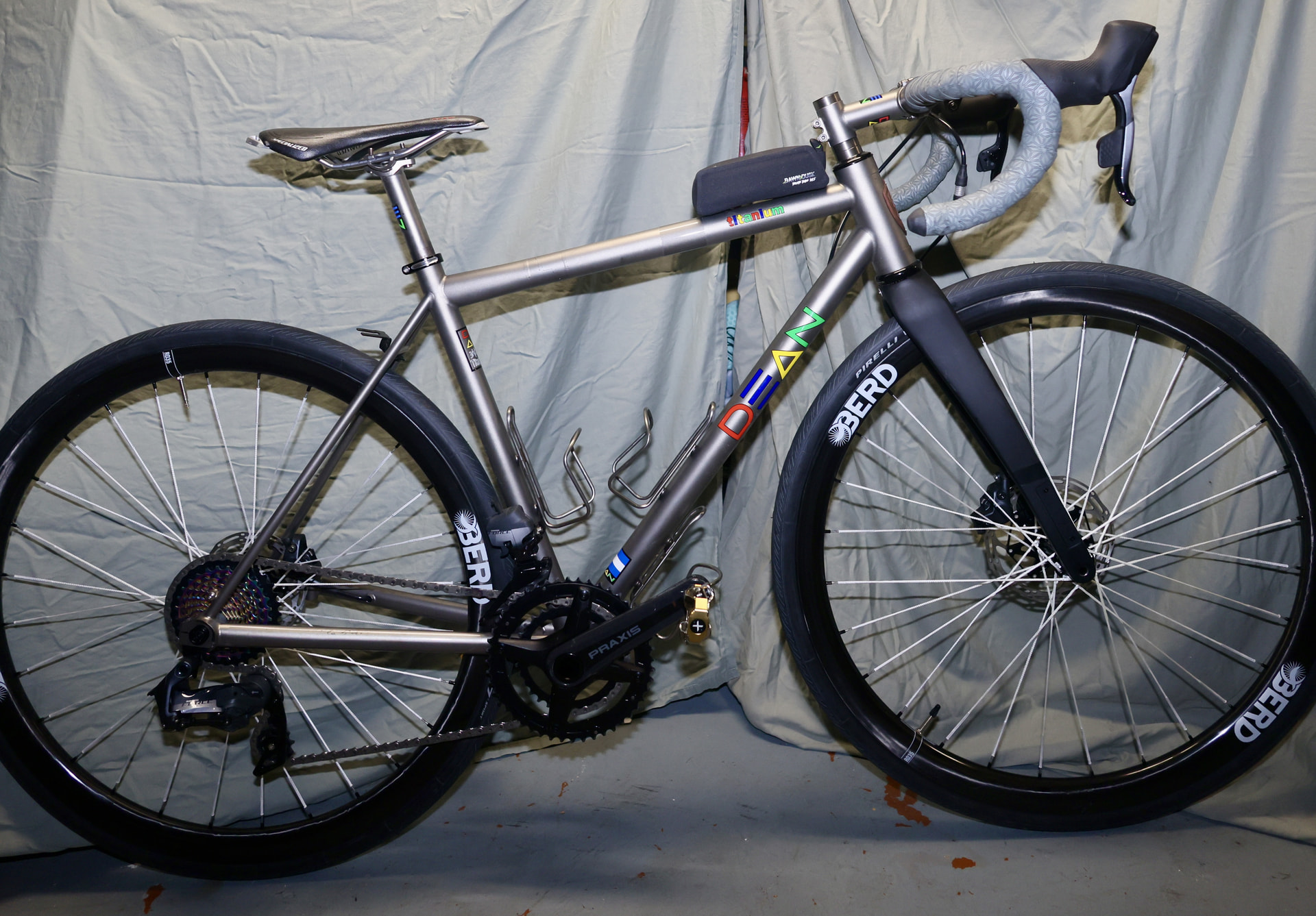
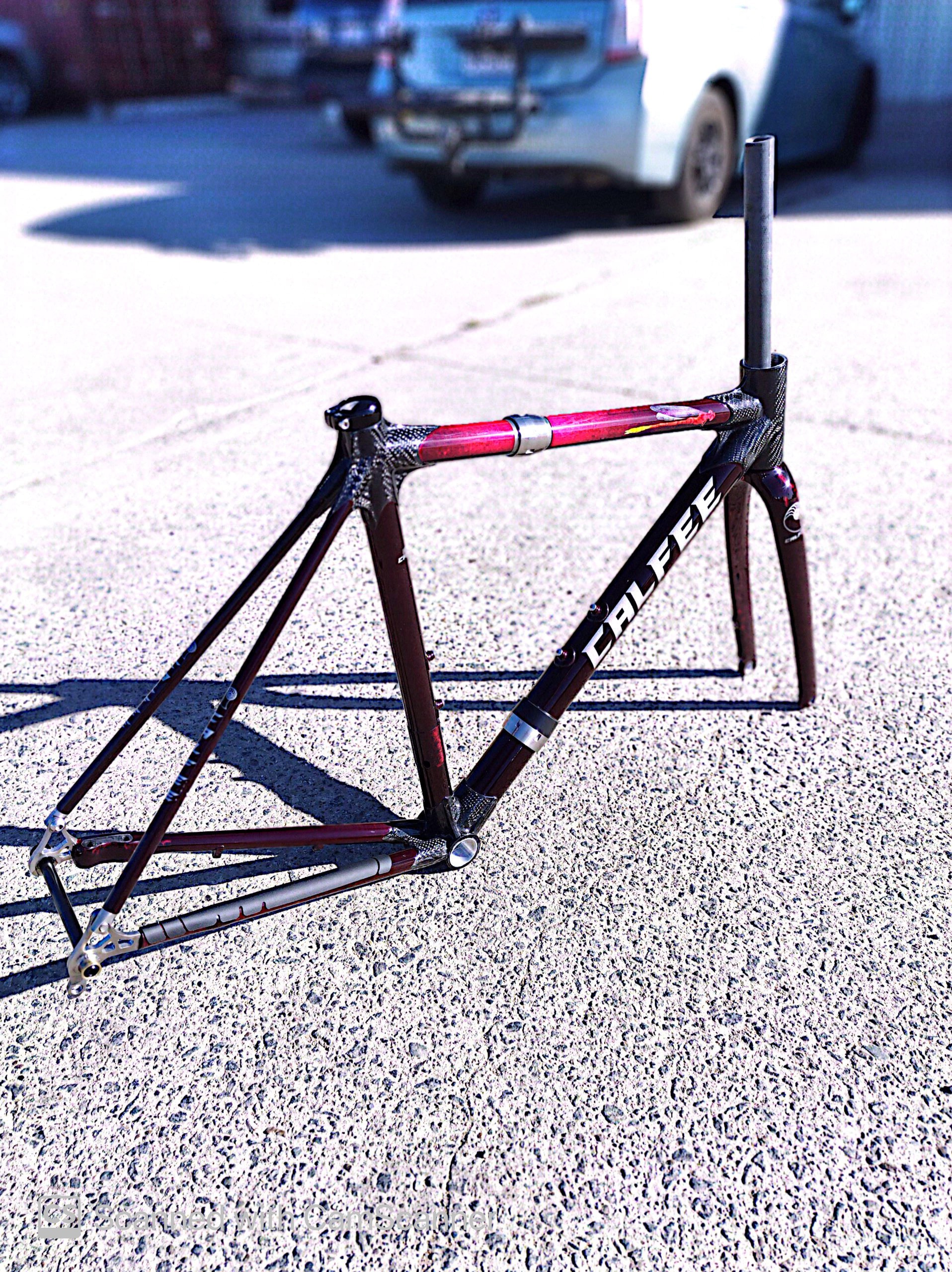
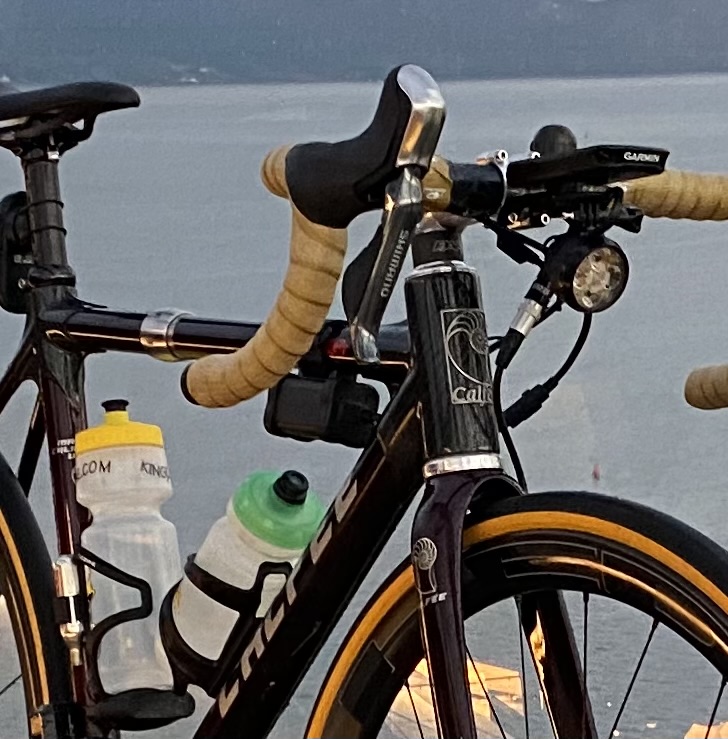
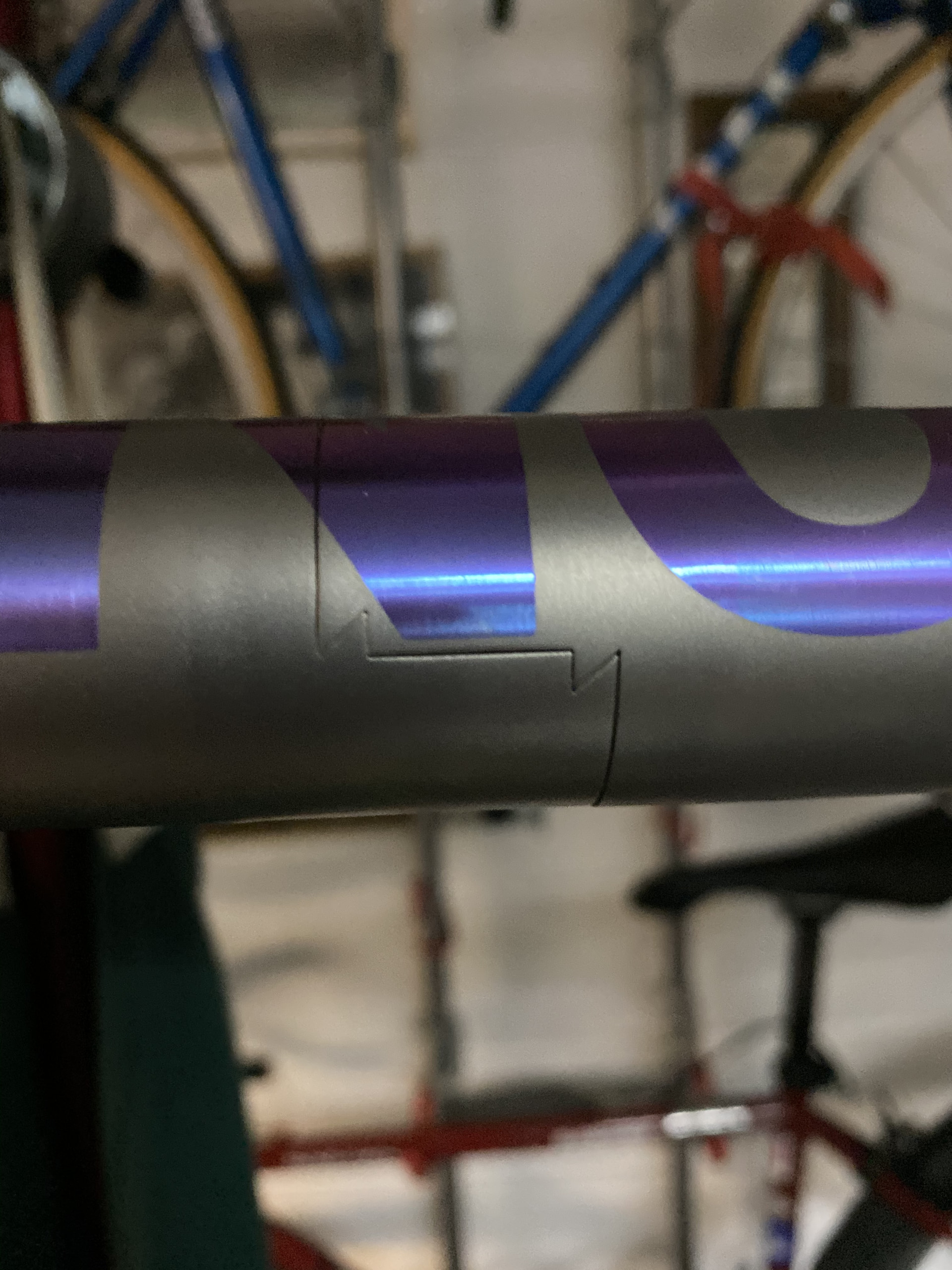
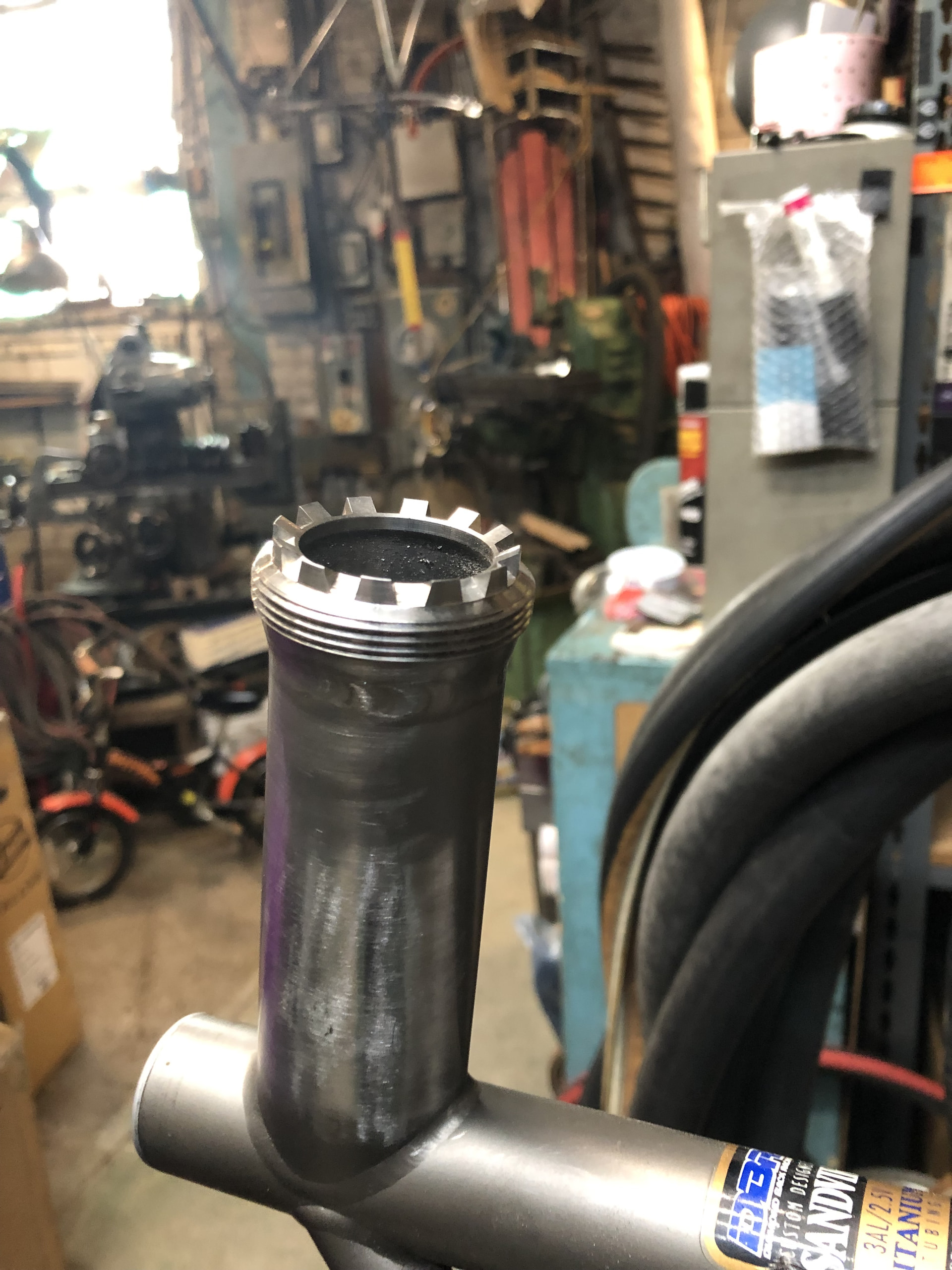
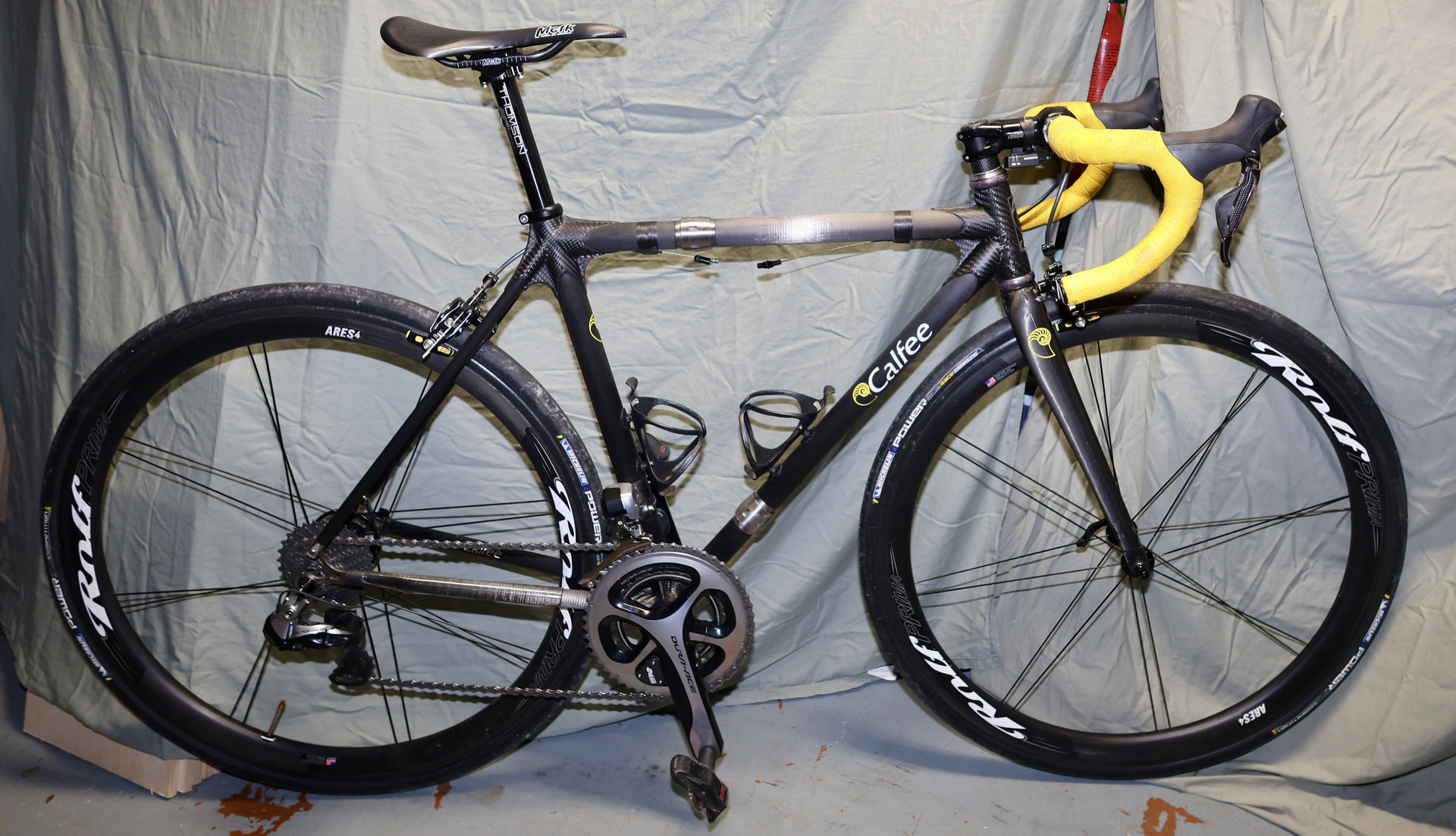
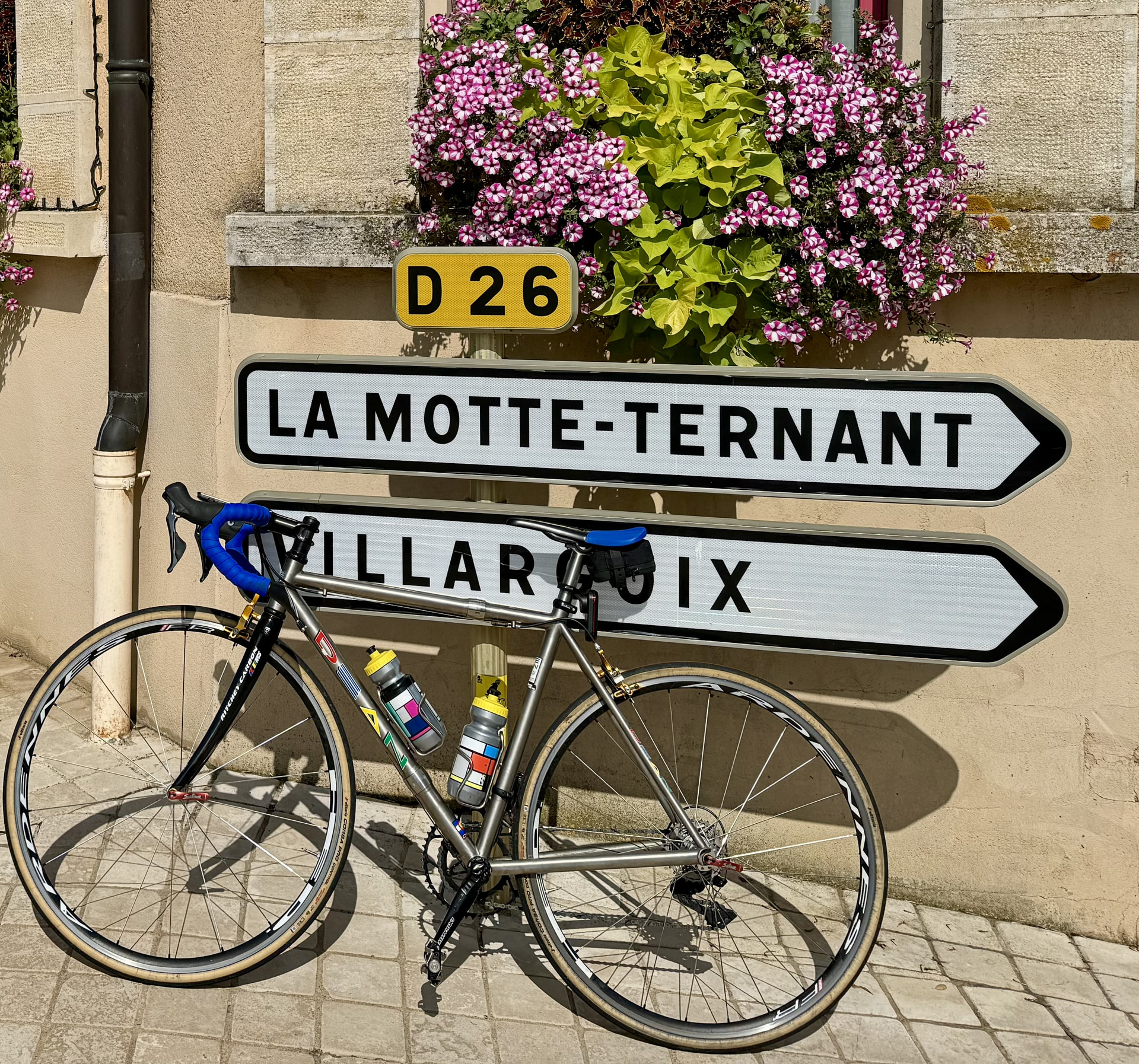
There are two custom Ti Dean El Diente road bikes. The one with rim brakes was made about 15 years ago and has S&S couplers, the newer one has Paragon z-couplers and disc brakes. Similar story with the two custom Calfee carbon bikes - the older one has rim brakes (Dragonfly Pro) and no paint or clear-coat finish…just naked carbon. The newer one is painted and has disc brakes (Dragonfly Pro 44). Both have S&S couplers.
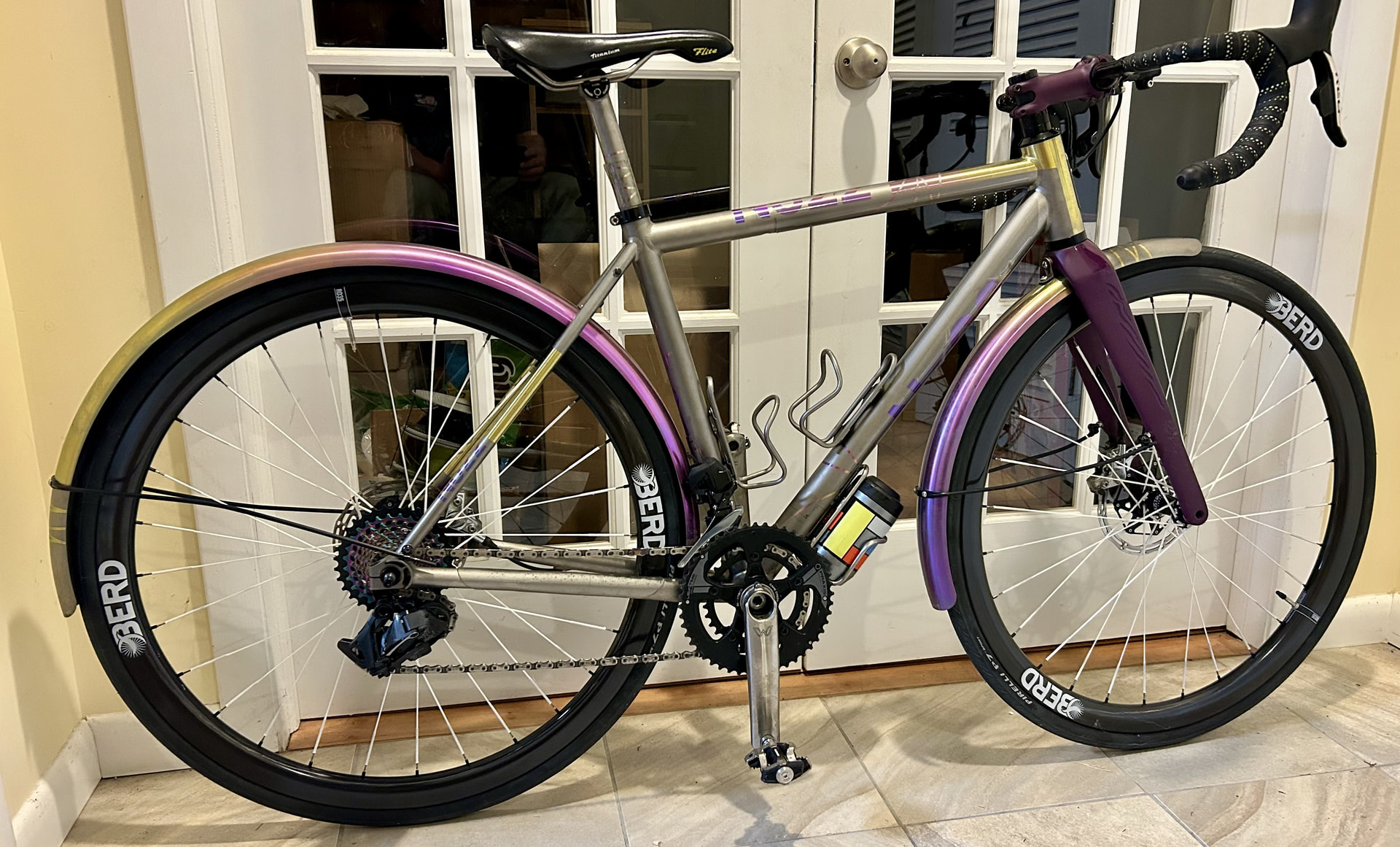
My Ti No 22 Drifter has their in-house version of z-couplers and of course their matching anodized titanium fenders.
Next we have a custom steel Phinney Ridge touring bike with cable-actuated disc brakes and S&S couplers. I designed this frame around 650b wheels so it’s easier to pack. Massive tire clearance. The astute viewer will note the built-in bottle opener on the non-drive seatstay.
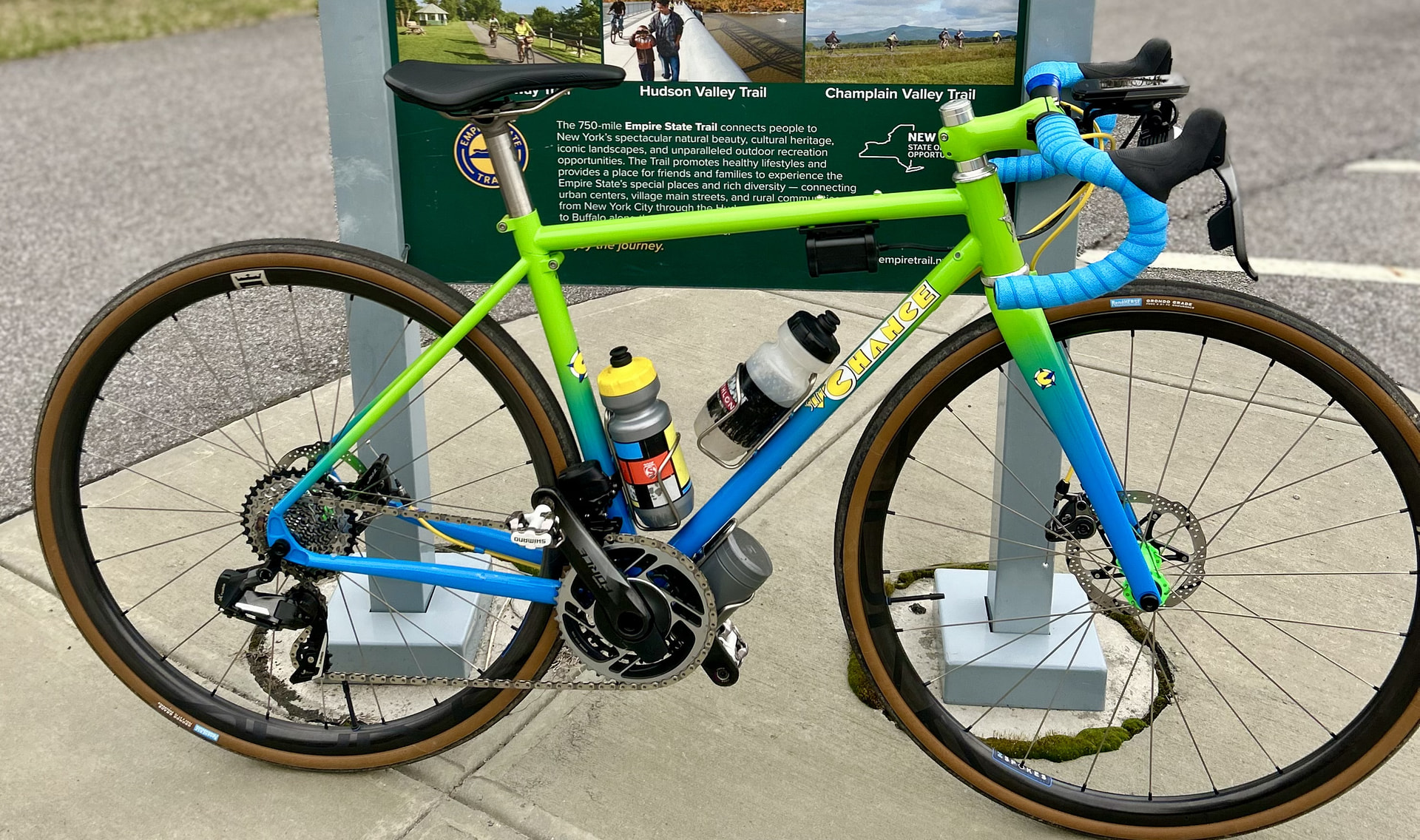
Finally we have a custom 100% stainless steel Slim Chance. This build was inspired by MAMIL’s write-up of the new Slim Chance. On my version I used a z-coupler for the downtube instead of the Ritchey down-tube coupler. Chris Chance tells me this is the only fully stainless bike he’s ever built.
SB
5 Likes
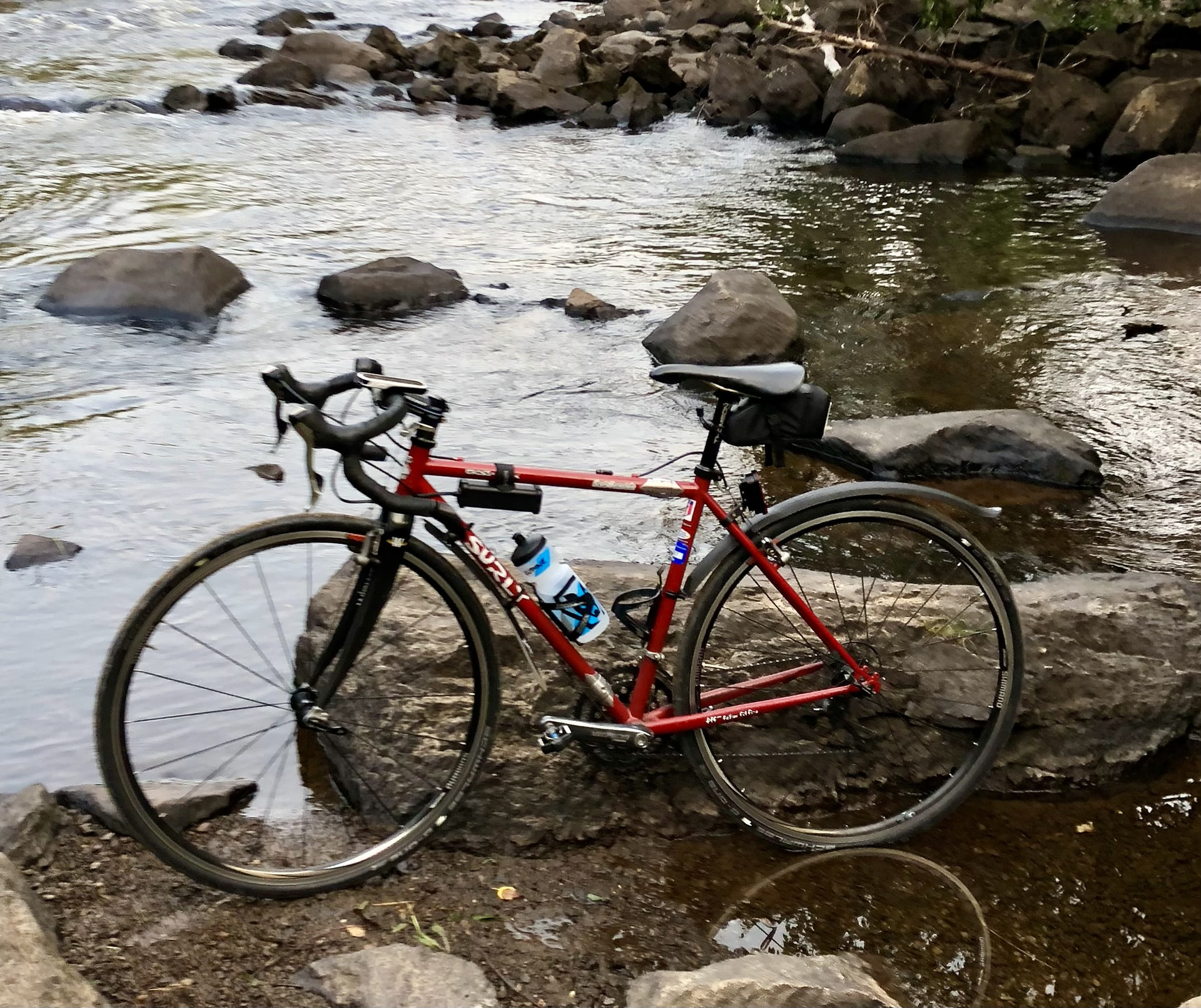
Forgot one….Surly Crosscheck! I bought the uncoupled bike around 2004. A couple years later I got tired of traveling with a full-size bike box and sent the frame to Stephen Bilenky and he modified it with S&S couplers and repainted it. It was my only travel bike for several years. Lots of good memories!
3 Likes
Amazing, that’s easily the most extensive collection I’ve seen! For those of us with room in our storage and budget for one travel bike, what system would you recommend given your experience?
Fantastic thread! Travel bike build on my list in next 6mo. Like others, curious if:
- Travelling with alloy rims or carbon ok in a smaller case
- Experience with a removable cassette?
- S&S vs Ritchey case. I’m optimizing for the case fitting in a standard European rental car when travelling with the family…
I use the S&S case for travel purposes, with the three PVC “compression members” and the TSA net. The TSA net is intended to keep everything together when the TSA opens the box for inspection. I think it works pretty well. With 700c wheels any tire size more then 30-32mm is really,really hard to fit in the case. So if I am traveling with a coupled road bike I generally stick to 30mm or smaller. If I need larger tires I will either pack the bike with smaller tires and bring the larger ones in my luggage, or just use 650b wheels. The frame gets wrapped in the foam frame tube covers that S&S provides. Also the Orucase frame protectors work well as an alternative. Even for my relatively small frame I do sometimes remove the crank for packing, but not always. I also remove the rear cassette and disc brake rotors (if applicable). The rim brake bikes and some of the disc brake bikes get S&S cable splitters for the cables. My travel bikes with hydraulic brakes use a smattering of the various brake line quick-disconnects…No 22’s in-house connectors, Zeno, and Formula. These bikes were built over a period of years, so it just depended on what was available at the time. They have all worked just fine.
SB
2 Likes
I have traveled with both alloy and carbon rims from various manufacturers and - with careful packing - have not had an issue.
For removal and installation of the rear cassette, I travel with the titanium 3d-printed cassette lock ring tool and chain whip from Silca. A bit spendy, but very light.
The S&S complies with the 62" maximum total linear dimension that airlines allow before being considered “oversize”. The Ritchey case is a little more roomy but is technically oversize. But it really depends on the airlines - sometimes they’ll charge extra for a bike, or for oversize luggage. I can never seem to predict when or how much exactly I’ll get charged. With my S&S case,packed such that it is less than 50 pounds, I only ever get charged as if it were just a regular piece of luggage. Both the S&S and Ritchey case would fit in a compact car without too much trouble.
SB
2 Likes
The three available systems are S&S, Ritchey, and Paragon z-coupler.
I personally can recommend either the S&S or z-coupler system but I think all three work great. Both S&S and z-coupler have a design that firmly, positively, looks both the top and bottom couplers (top tube and down tube). The z-coupler I think is heavier,but only requires a standard 8mm hex wrench to put together. The S&S systems does require a lock-ring tool that most of us may not otherwise have in our home shops. There are super-light titanium lockring tools that work great for travel, and the regular steel ones are cheap and easy to get. I have never had one remotely come apart nor affect any aspect of the ride quality as far as I can tell. The z-couplers are more hidden whereas the S&S couplers are much more obvious. Unless you look closely, it can be hard to tell the z-couplers are even there. I have not experienced any noise or creaking sounds from either style of coupler. Both are hollow on the inside so shimano e-tubes or rear brake lines can be hidden in the downtube if desired.
The Ritchey system is nice in that it is incorporated into the seat tube in a less conspicuous way. The downtube coupler is a simple flange and collar. In theory, one would wonder if this connection maintains torsional stiffness in that part of the frame…but I think from a rider’s standpoint it doesn’t seem to make a difference. I have heard this area has a tendency to make some noise if not properly greased.
I think the choice might come down to which builder makes your frame. Whichever coupling method they use or are familiar with is what you should pick.
SB
3 Likes
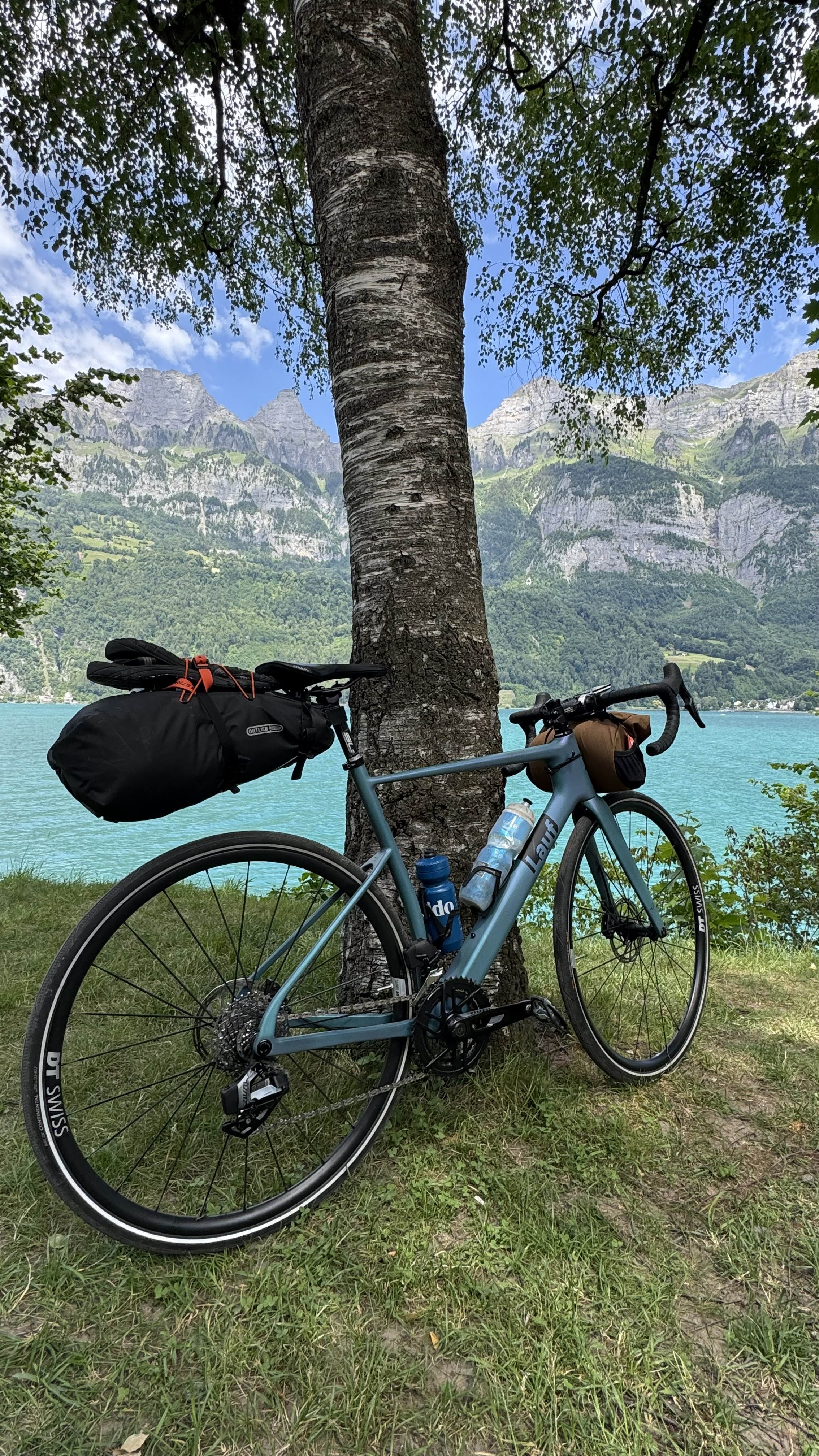
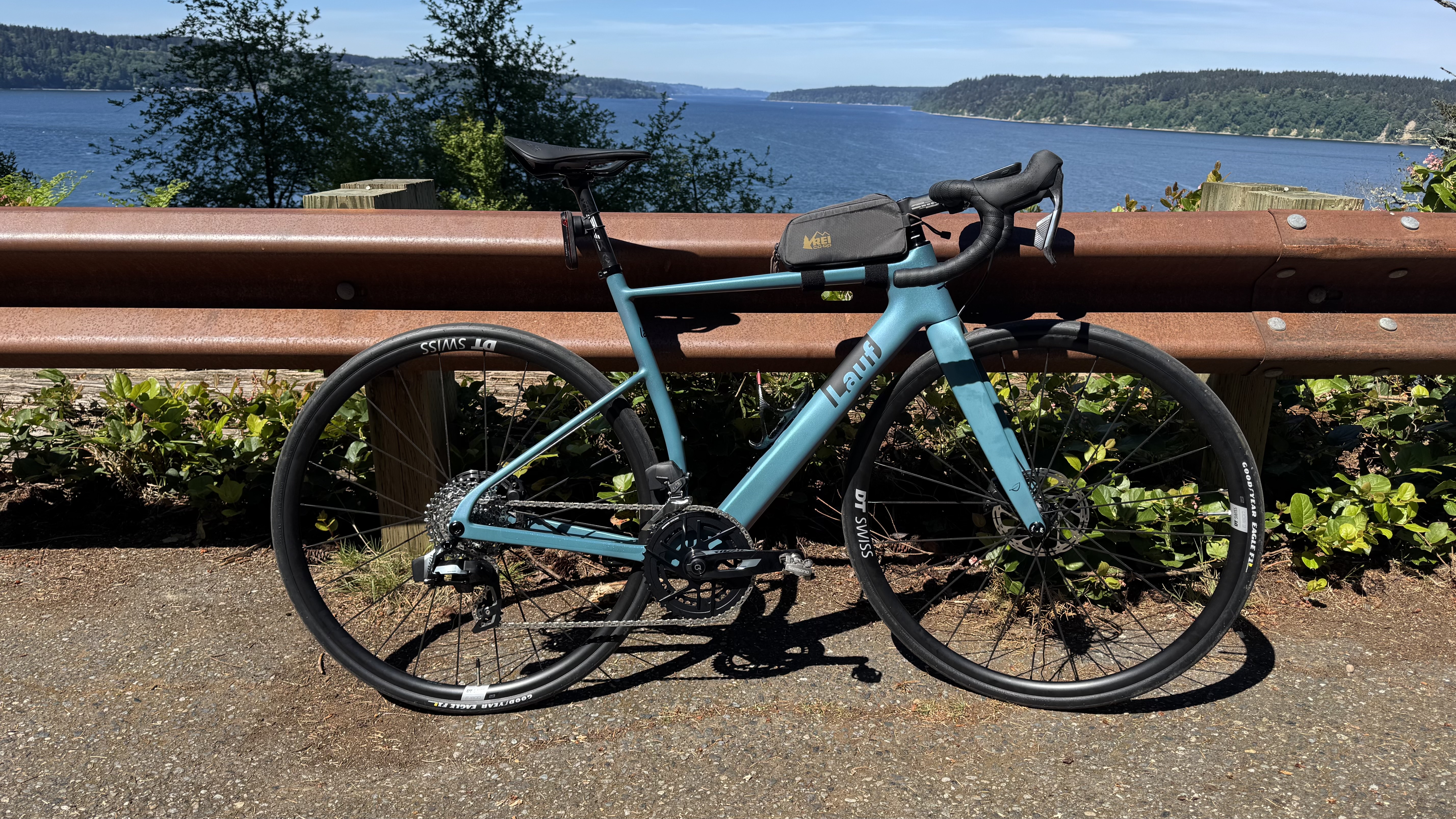
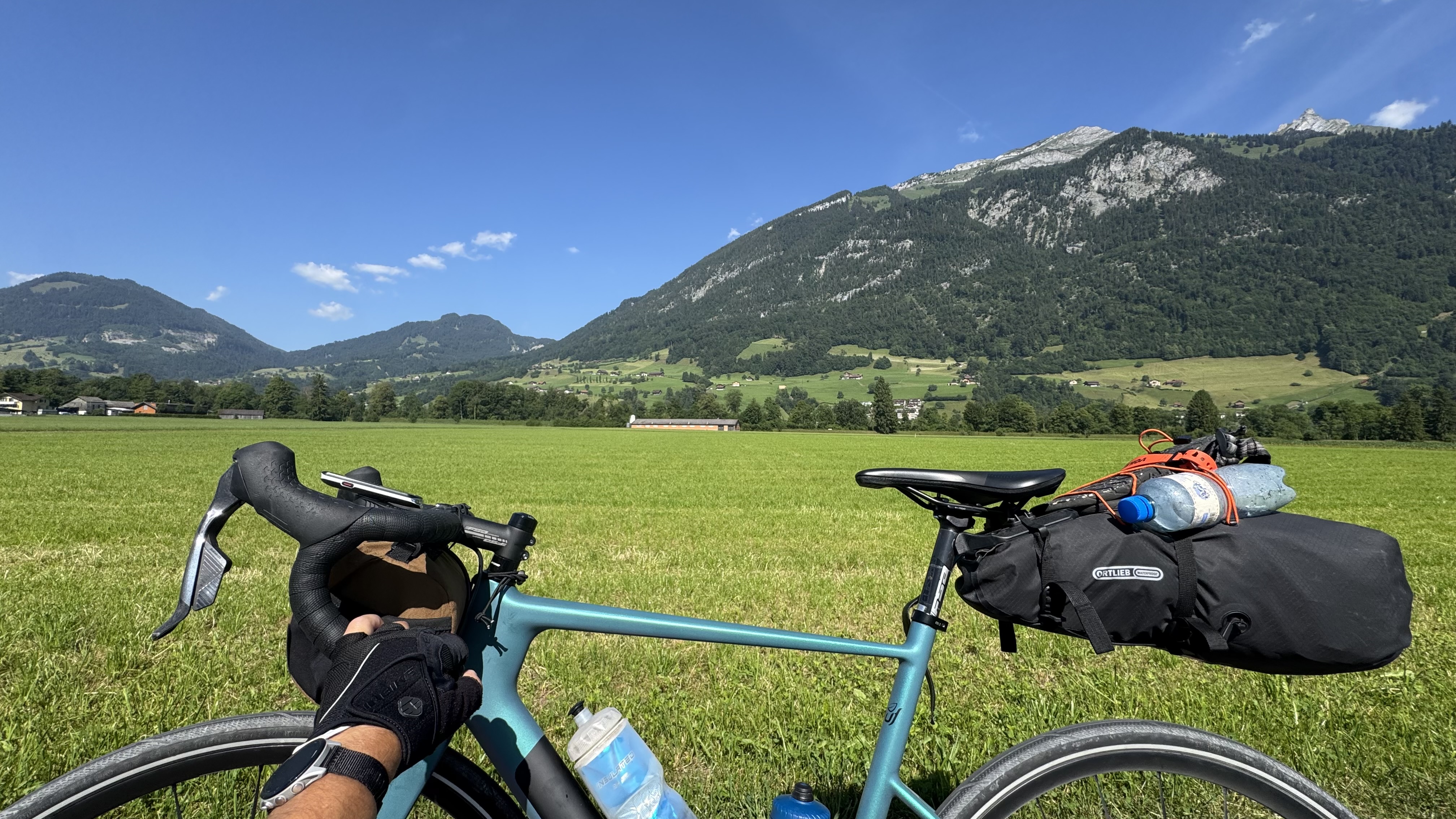
Lauf Úthald in a 150L Post Carry Transfer case. I also have a Lynskey gravel bike, hence the larger bag size. I specifically chose the Lauf for easier disassembly (those partially exposed brake hoses are rare these days). I personally don’t feel a coupled bike is necessary with this setup. I like having a slightly larger bike bag for helmet, shoes and other goodies, and the footprint of the Post Carry works for me.
2 Likes
Looks like First Hand, which bought Paragon, is already offering Z couplers: Couplers – Firsthand Framebuilding
1 Like
Thanks! I’m not so sure that the available diameters are suitable, but will bear them in mind. Seems like the Ritchey system is simpler, or else Ritchey at seat tube/top tube, and S&S on the downtube.
I have a friend with a titanium gravel bike built that way: Ritchey-type fitting for the seat tube, S&S coupler for the down tube. The latter seems more robust than the collar that Ritchey uses to connect the two sides of the down tube (although I know Ritcheys work fine in practice).
I forget which custom builder it was but someone was doing Ritchey couplers on the seat tube, and an S&S on the downtube, which seems like a nice combination.
Lots of options for travel bikes! And do we call them Firsthand z-couplers now? I’m sure there are some chinese-made copies of all three systems as well.
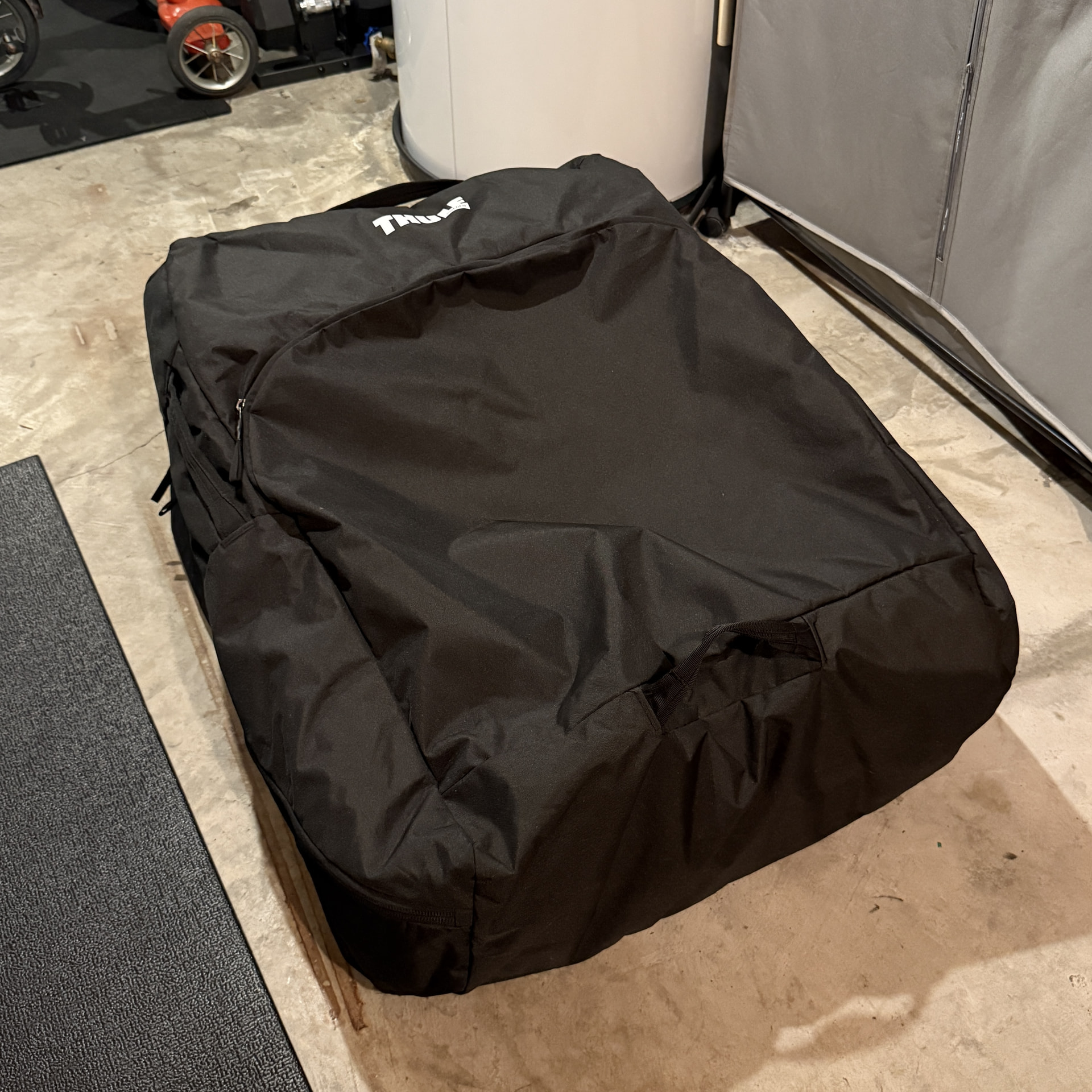
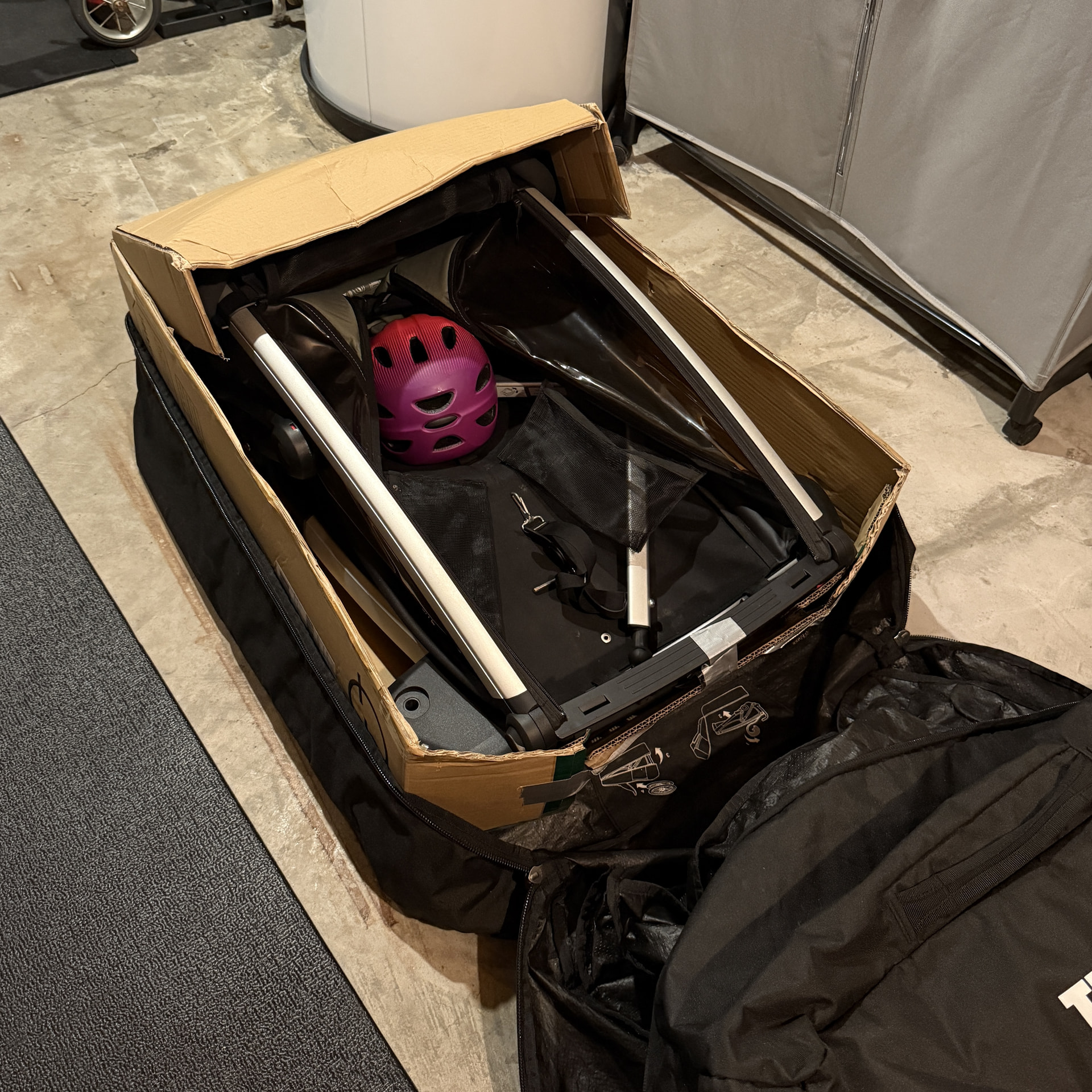
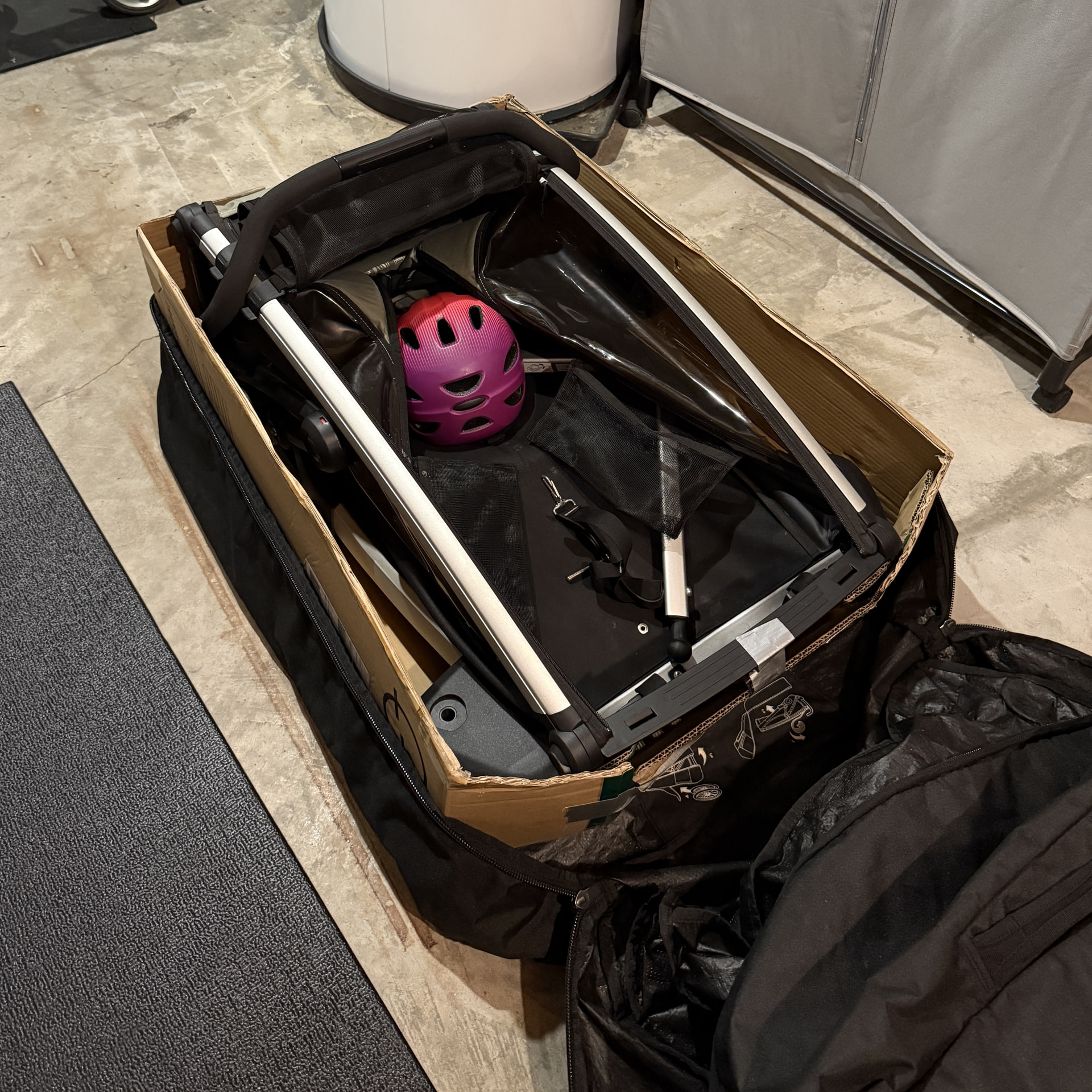
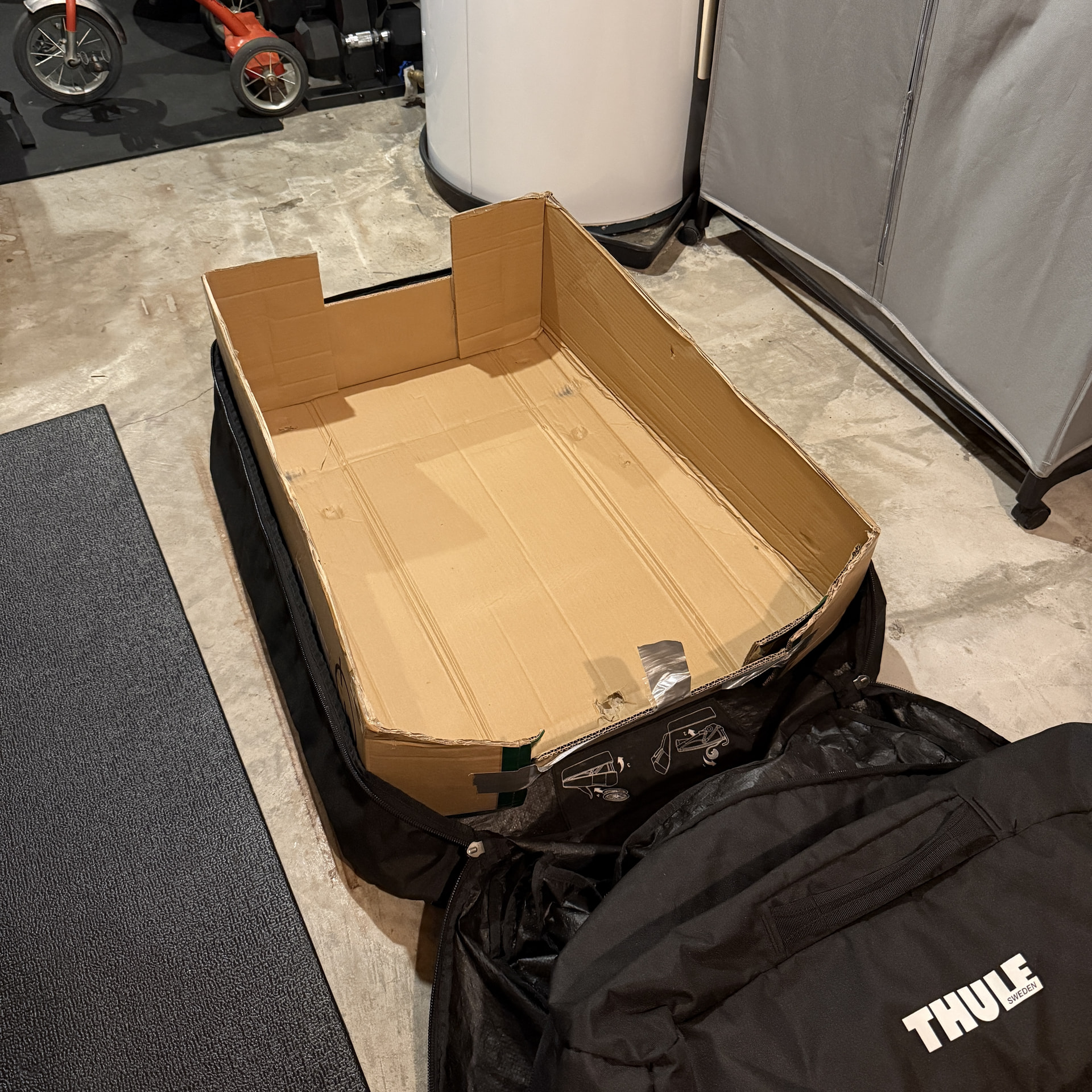
Traveling with bikes is super fun, but sometimes a toddler is coming along too and you need to bring the bicycle trailer. My wife and I have had the good fortune to travel to the Netherlands twice with our daughter and we brought our Thule Chariot Lite.
We used a Thule Chariot travel bag, but the bag alone didn’t feel like enough protection for the airplane, so I made a cardboard ‘bathtub’ to sit inside the bag. It worked perfectly. Inside the trailer is also a great place to add things like shoes and helmets.
3 Likes
We traveled for 10 years with Co-Motion S&S-coupled Divides, which we loved. But their all-road capabilities turned out to make them more bike that we really needed. We mostly tour in Europe on EuroVelo routes, and we happen to be somewhat “old” (65-73). So we’ve retired those bikes in favor of lighter, wireless, hydro-brake, 1X Gunnars, saving pounds and making shifting and breaking easier for old hands. With most airlines’ relaxed rules, we now ship in Orucase’s original B2 bags. Easier packing, easier breakdown and buildup.
2 Likes
Awesome! The yellow Rodriguez looks very much like Dustin Klein’s. Can you tell us more about it?
1 Like
That cardboard “bathtub” idea looks great! One could use that inside a rinko bag or similar for intercontinental flights, then just the bag for local trips via train (or maybe bus). That would minimise the size of the “box”, and avoid needing to store it.
David’s Gravelator with rollercams is really cool too.
1 Like