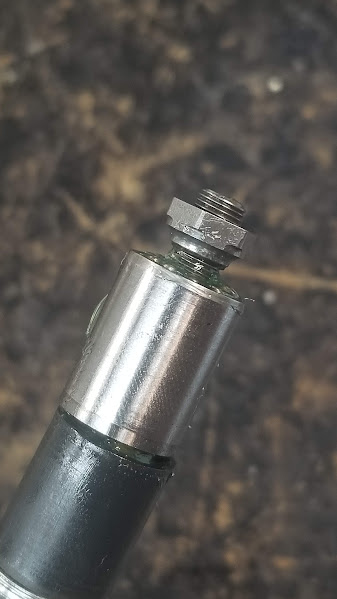
I’ve serviced a few shimano pedals in my time. I believe one of the reasons they’re a design classic is the ‘squeeze out the old grease’ method of servicing. I’ve never done a full strip-down or bearing replacement but it looks doable if tricky.
However, I’ve offered to help a friend with his pedals and from what I can tell there’s a LOT of play in them. I’ll happily crack them open and see if tightening the cone nut helps, but I’m wondering if there’s anything I should look out for before I drive myself insane trying to adjust bearings that are actually toast.
Any advice gladly accepted on making sure I don’t waste too much time on these, or any other tips on getting them just right.
Shimano SPDs are pretty straight-forward - though I have to admit to only buying XTRs. My advice is be sure to have the right thin open end wrench for adjusting the cone. Without the right wrench setting the cone adjustment can be frustrating,
If you can feel a bit of pedal movement, it’s likely needing a service and minor cone adjustment. I think the cone is an 7 mm and the thin lock nut is an 8 mm.
Shimano pedal’s are an easy service. Take your time, gather your anticipated tools and disassemble everything. count your bearings if you don’t already know the correct count.
Thanks for the thoughts so far! I’ve done cone adjustments on pedals with just a bit of play. I guess I’m wondering if there’s a good way to tell if the bearings/races are too gone to save without dismantling the whole thing and chasing bearings around the floor.
Done a few of these in my time and usually, or at least in my experience, a small amount of play is easily rectified. Use the correct tools and try and disassemble the pedal over a magnetic tray or near a strong magnet so you can catch the bearings if/when they fall out. Definitely count them (as stated above)! If the pedal has a lot of play it’s probably got a fair amount of wear on the race and the bearings are toast. You could try and just replace the bearings if the race isn’t too bad, reassemble and see how it feels. I’ve found finding the right replacement bearing race is a real challenge if that’s the part that needs replacing, though. Shimano soylent green grease is ok, but I’ve used a thicker grease during a service depending on the rider and ride environment, but that’s just a mech’s choice : ) At the end of the day though, sometime you’ve just got to make a call and replace the part if it’s taking too much time and $weat. Hope this helps.
Quick update. The pedals had A LOT of play and I assumed they’d be toast, but once we got them open and had a bit of a play with the cone nut we got them running sweet again. I’m hoping this means we caught them before too much damage was done and they’ll last a million years just like all of shimano’s other pedals.
It’s good to hear this went well. Everyone likely has different objectives with pedals. Some think of them as lasting forever with no maintenance and other seek efficiencies. I generally seek a light, smooth spinning pedal. My generally preferred grease for my pedals is Slickoleum.
Also-The wear on the road pedal BODY is what eventually kills them. Over time the body gets worn down and the cleat-body interface loosens up–Then they are done as I do not believe you can get new bodies. As others have already stated, the bearing/axle portion is often salvageable with normal maintenance procedures
It’s true. Pedals are such low speed bearings it’s nearly impossible to destroy them. I have Bike Nashbar SPD knockoffs from 30 years ago and they refuse to die. $19. They just keep going and going and going…