Advice on noseless bicycle saddles

I’m currently dealing with a compressed/irritated penumbral nerve, and have been completely off the bike for the past month and a half. I plan to post a separate thread looking for feedback on that issue. This thread is simply about noseless saddles to be able to conveniently commute for the time being.

People joke about noseless saddles (e.g., Caley on a recent pod) and it’s possible they’re all just terrible. But the ability to get around on my commute bike while avoiding any irritation to the nerve is currently worthwhile for me, even if such saddles are largely annoying and way-overvalued by the non-cycling public.

Are there noseless saddles that work well enough for <10 mile rides at lower power outputs?

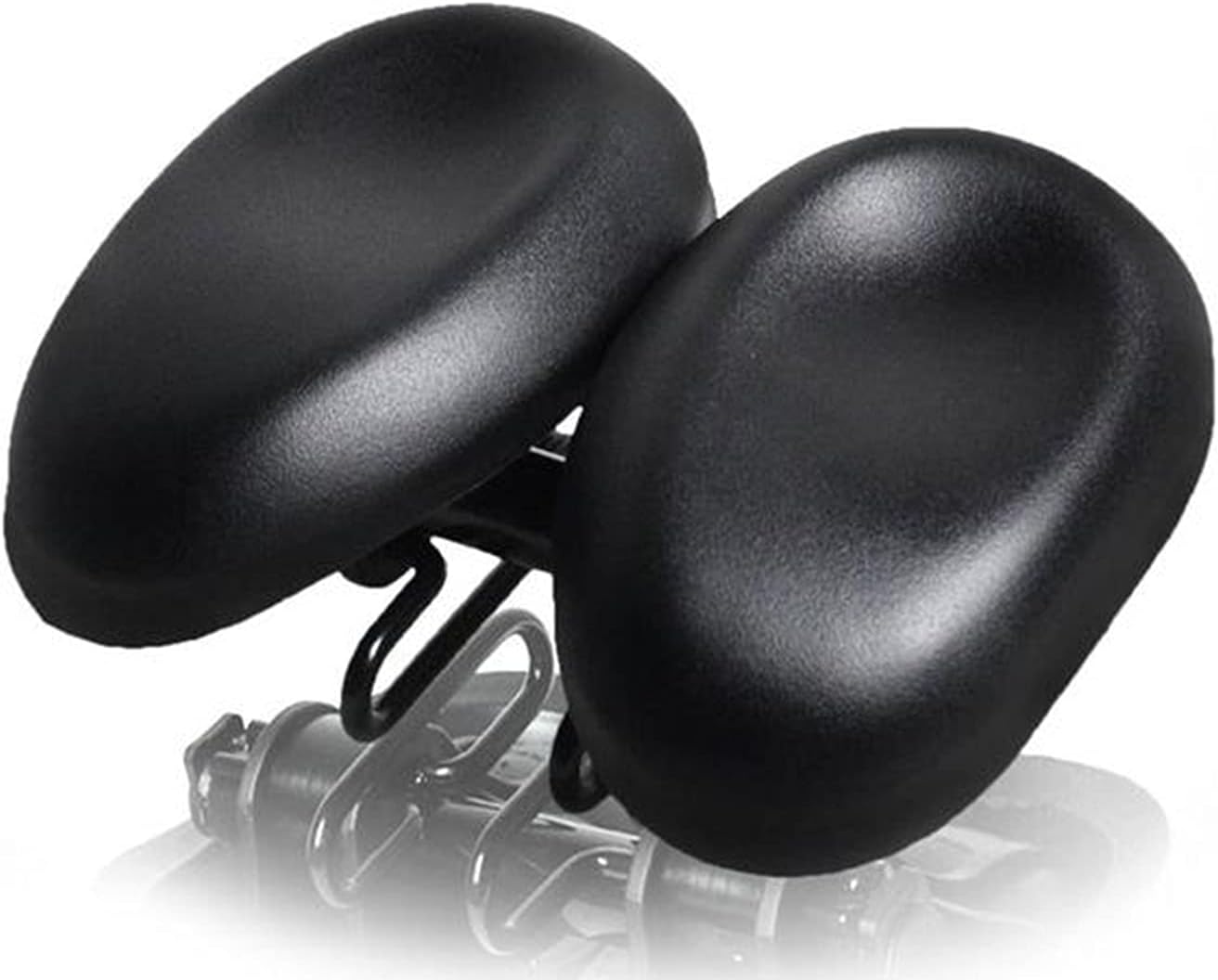
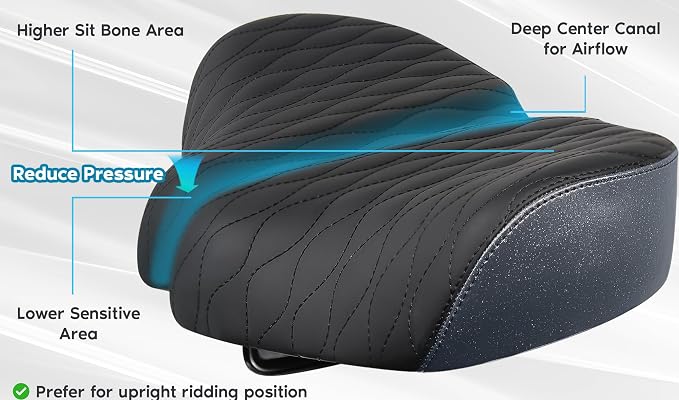
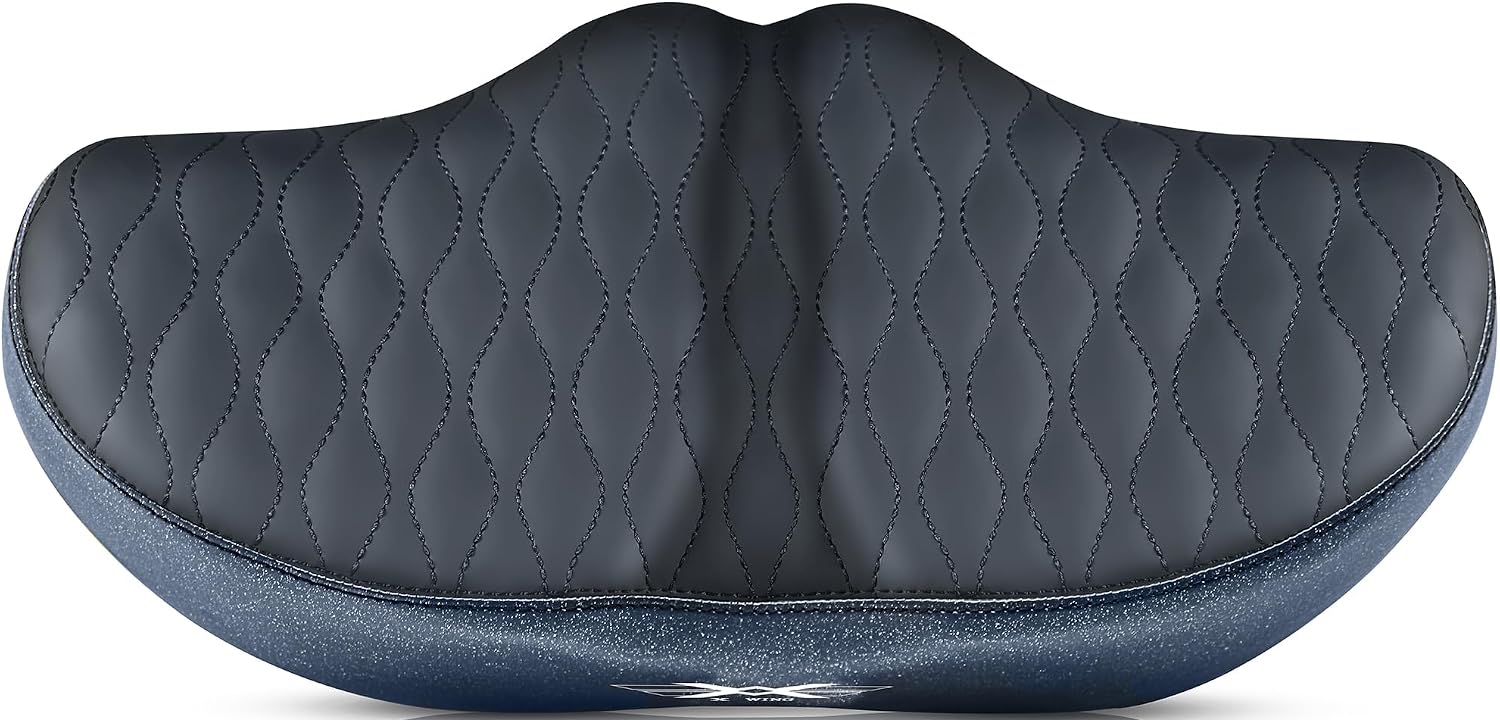
Examples of such saddles:

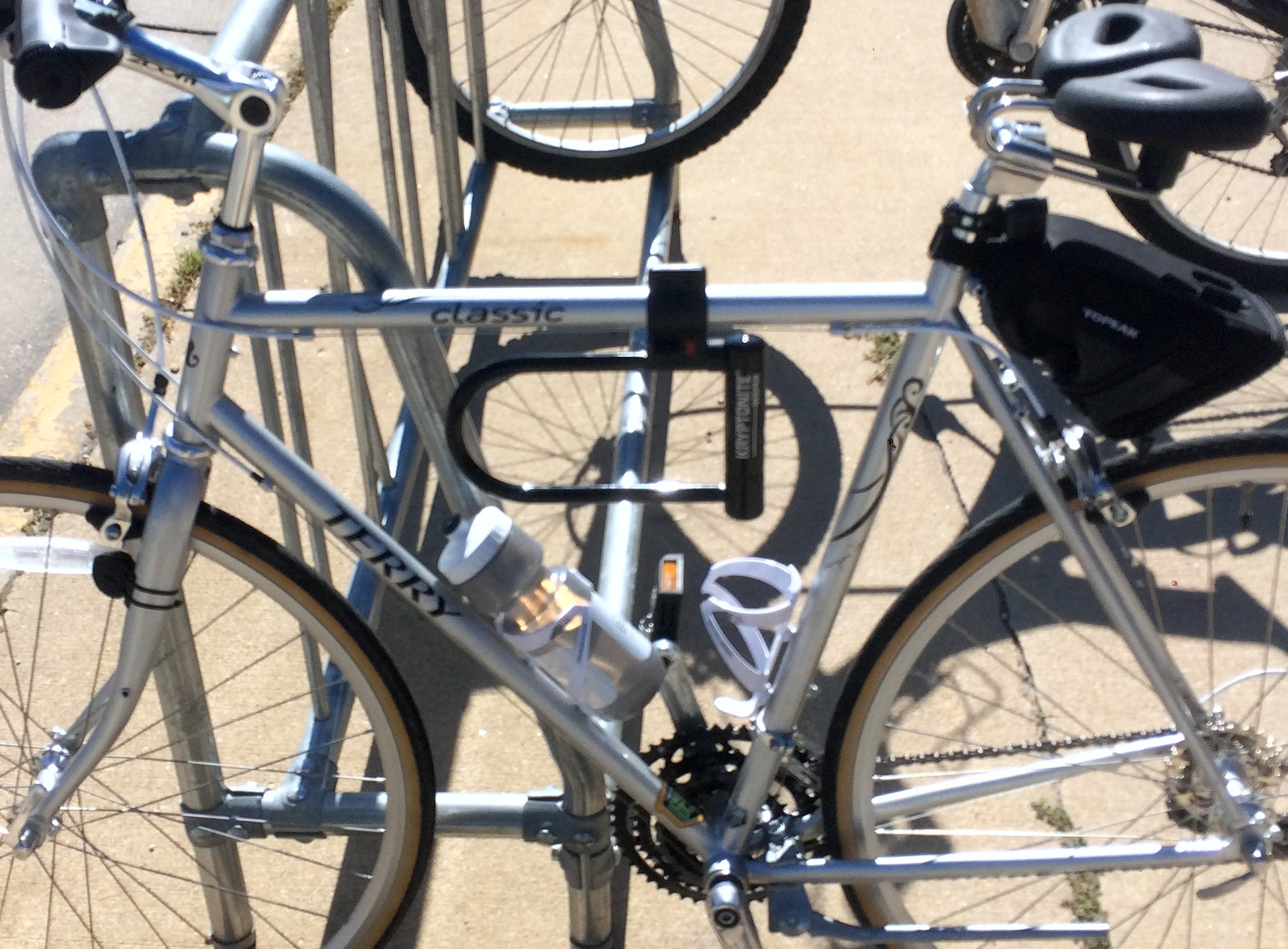
this bike belongs to a friend who road across the U.S. during college, but has dealt with significant tissue irritation since then. Not my issue, but example of such a saddle.
My commute bike is currently set up with drop bars, but I will reinstall cruiser bars for a significantly-more-upright riding position. Here’s what my position in that iteration:
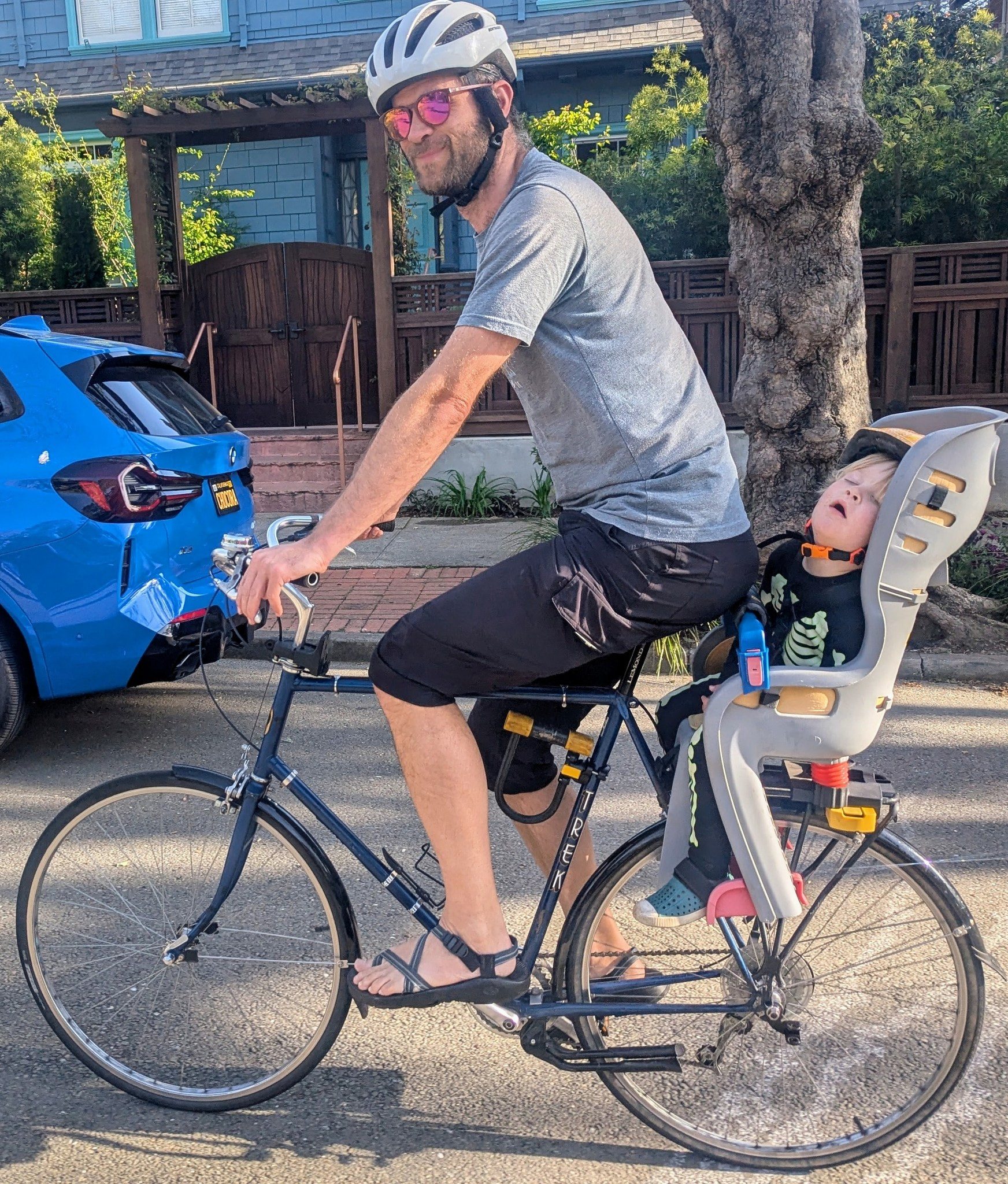
That seat on the back looks pretty comfortable.

Maybe an ISM for something that’s not too out there, still sits between your legs for stability but full relief on the central channel. Had one on my tri bike and enjoyed it for that purpose.

1 Like

My whole point here is precisely to not have something between my legs, avoiding all perineal pressure for now. Assuming everything heals up / calms down, I expect to be on a more conventional saddle with full center channel cut out (whether snub-nosed like ISM, or one of the many full-center-cutout designs with a more normal nose length), at least on bikes where I’m in an aero position.

Based on feedback from a different forum, the quality options for noseless saddles seem to be these two:

Spiderflex (what my friend has, pictured on that Terry in my OP) - she’s quite happy with it, but doesn’t need the Ischial Tuberosity cutouts and thinks they detract from the performance of the saddle for people who don’t need them. At least for her case in my case, those cutouts seem like an issue of trying to address to many issues simultaneously. But I am sure there’s people for whom that’s totally valuable.

Spongy Wonder - seems quite popular among the serious-cyclists-with-nerve-damage crowd. AI summary of available online forum information, with a few spot checks by me, indicate this is probably the better option. The two sides flex independently, rather than being part of a consistent platform like the spiderflex design.

Haha, that’s my then-nearly-turned-3 kid in the Topeak child seat.

You could give this a shot: Isn’t That Saddle Backwards? How Hans Aaseth Earned His Black Shirt at Norseman - Slowtwitch News

Also a tall guy :melting_face:

2 Likes

A guy who lives near me had multiple Spongy Wonder saddles and spare pads from when he was dealing with nerve issues over a decade ago. I picked up his bag this morning. He hopes to never need them again, noted that they take some getting used to (there’s a reason this market is limited to people with nerve or tissue or urethral irritation, despite what non-cyclists often think) but significantly better than just not riding.

1 Like

These may not cut it and are perhaps a saddle for when you are recovering, but need less/little pressure.

SQ Lab and 3West may not provide enough relief (depends) and the infinity may take an … infinity … to adjust.

But the 610 MD in an upright posture has worked for clients of mine. But results differ with severity/location etc

Thanks! I’m going to continue to play things super-conservative for now, but I’m keeping a list of saddles to try after.

If you’re sitting on an ISM correctly, it’s only contacting your sit bones (pubic rami to be precise). All your soft bits (OK, let’s say it: balls) are in front of the nose.

It can take a little time to get used to, it contacts areas that you probably aren’t used to putting weight on (and hence may need some adaptation time), but there’s no pressure on any sift tissues.

Thanks, I hadn’t realized that. Balls aren’t the soft bits I’m worried about, but it appears that the ISM design is at least supposed to fully relieve pressure on softer tissues of the perineum.

I’ll see how riding and recovery go for now with the Spongy Wonder (and a largely upright position), but this ups my interest in trying an ISM saddle. A quick search confirmed my conservatism about keeping weight fully back on the ischial tuberosities themselves while babying the irritated nerve. Do you think this is missing anything with regard to a more aggressive position?

1 Like

some (most?) ISM saddles are designed for (or to allow) very forward pelvic rotation, but that doesn’t mean they all are, or that you have to sit like that.

They still keep enough between your thighs for some lateral stability.
(graphic image warning: Setup Guide | ISM Seat)

A buddy of mine who isn’t really into cycling uses a noseless saddle to get around on his city bike. I borrowed it while visiting and it was not a great experience, but I was able to ride around and enjoy riding a bicycle still. If it is a temporary thing to relieve pressure it seems worth trying.

1 Like

My experience has been if this is bothering you, there are some inactive muscles that are offloading to rotators that are meant for stability, not heavy repeated use.